
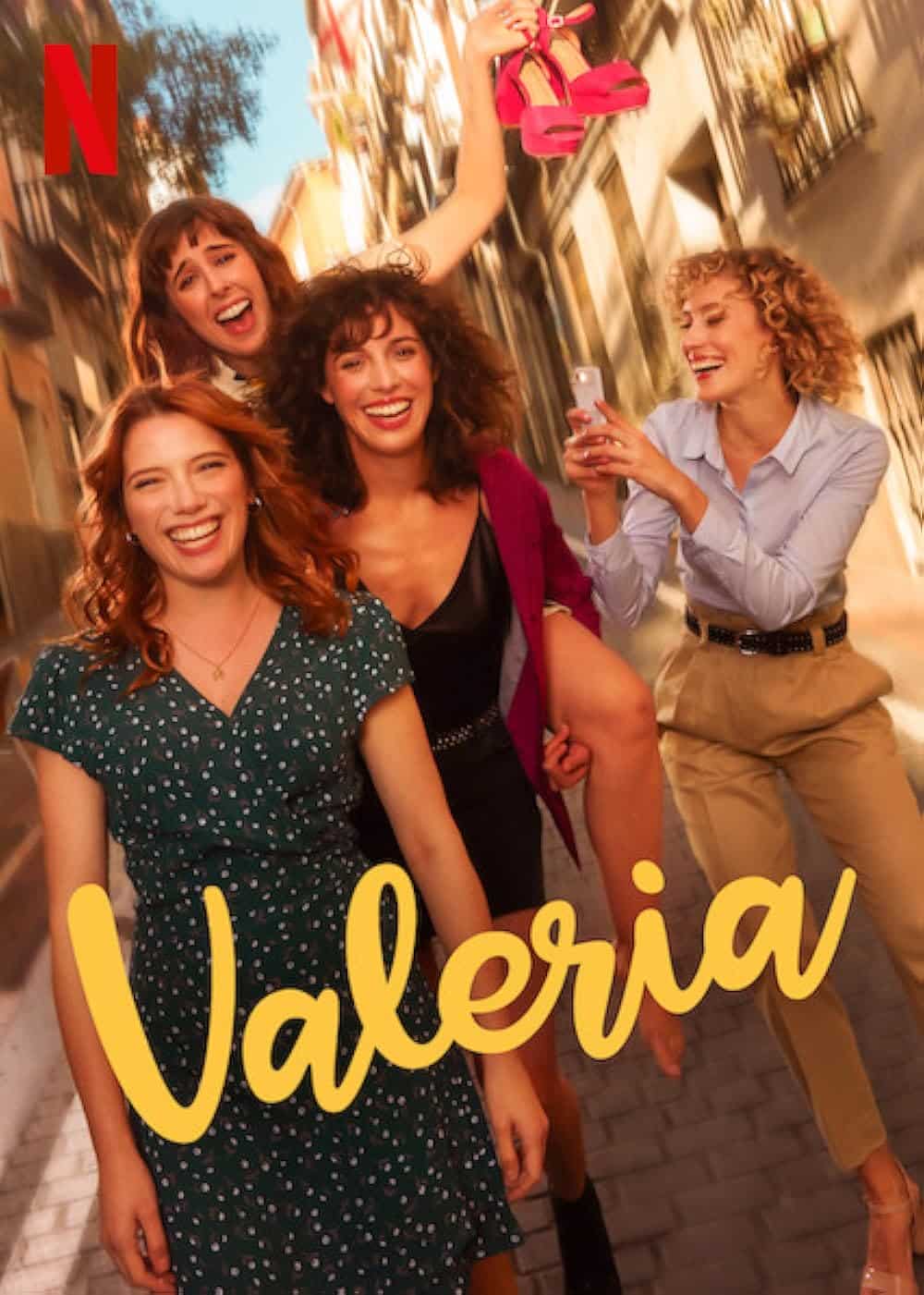
Hello, everyone! How’s everything going? Today, I’m excited to share my thoughts on the drama Valeria, often described as Netflix’s Spanish equivalent of Sex and the City. This series has captivated audiences by delving into contemporary female friendships and romantic entanglements in Madrid.
Advertisements
Valeria made its debut on May 8, 2020, offering 8 episodes of around 40 minutes each per season on Netflix. The show wrapped up with its fourth and final season on February 14, 2025. Based on Elísabet Benavent’s novel series “En los zapatos de Valeria,” this Spanish comedy-drama was developed by María López Castaño.
The storyline revolves around Valeria, a writer experiencing both creative and romantic turmoil, who leans on her three friends for support as they all navigate their personal journeys. Set in the lively city of Madrid, the show beautifully reflects modern Spanish life while tackling universal themes such as friendship, love, and self-exploration.
Diana Gómez takes on the lead role, accompanied by Silma López, Paula Malia, and Teresa Riott as her three closest friends, creating a strong ensemble that captures the emotional depth of the series throughout its four-season journey.
A Writer Facing Creative and Marital Challenges
Valeria focuses on a writer grappling with both creative blocks and marital issues. As she faces challenges in her writing career and her relationship with her husband Adrián, she turns to her three closest friends for comfort and advice. Carmen, Lola, and Nerea each offer unique insights and experiences that help Valeria confront her personal dilemmas.
Set against the vibrant backdrop of Madrid’s modern social landscape, the series highlights how the four women juggle their career aspirations, romantic partnerships, and personal development. Each character experiences distinct challenges, from professional hurdles to complicated romantic lives, leading to interwoven storylines.
The show candidly addresses contemporary issues like infidelity, career challenges, sexual freedom, and the intricacies of sustaining friendships in adulthood, all while retaining a light-hearted and engaging atmosphere.
Valeria’s Path to Self-Discovery
Diana Gómez provides a layered performance as Valeria, embodying a woman torn between her creative goals and the reality of her stagnant marriage. Her character’s journey evolves from a frustrated writer stuck in monotony to someone who learns to prioritize her happiness and artistic expression.
Gómez authentically portrays Valeria’s internal struggles, revealing both her vulnerabilities and her growing resilience as she faces tough decisions regarding her marriage and career. The character’s transformation is especially compelling as she uncovers new dimensions of herself through her relationships and experiences.
Valeria’s journey of self-exploration resonates with viewers who have encountered similar crossroads in their lives, making her a relatable and inspiring figure who undergoes significant growth throughout the four seasons.
The Importance of Supporting Characters and Female Bonds
The cast, featuring Silma López (Carmen), Paula Malia (Lola), and Teresa Riott (Nerea), creates a rich portrayal of female friendship that serves as the emotional foundation of the series. Each character contributes distinct traits and life experiences that enhance and challenge Valeria’s viewpoint.
The chemistry among the four actresses is palpable, resulting in genuine friendships that feel authentic and lived-in. Their candid discussions about love, sex, careers, and life contribute to the show’s reputation as a contemporary exploration of female camaraderie.
The series excels in showcasing how these women uplift each other during various life challenges while also nurturing their individual identities and pursuing their own aspirations and relationships.
Exploring Romantic Dynamics and Relationships
The romantic narratives in Valeria are intricate and relatable, steering clear of fairy-tale resolutions in favor of more genuine relationship dynamics. Maxi Iglesias and Ibrahim Al Shami portray compelling love interests that challenge Valeria’s views on love and commitment.
The series examines diverse types of relationships, from long-standing marriages to passionate flings, casual dating, and deep emotional bonds. Each romantic plotline is approached with sensitivity and realism, illustrating both the joy and heartache that accompany modern love.
The show’s portrayal of sexuality and romance is refreshingly candid, tackling topics that are often overlooked in other series while respecting the emotional journeys of its characters.
Valeria’s Success on Netflix
Valeria boasts a 6.7/10 rating on IMDb and has been commended for its authentic depiction of contemporary Spanish womanhood. While it has drawn comparisons to Sex and the City, the series has carved out its own distinctive identity in the Spanish-speaking market and beyond. The fourth and final season premiered on February 14, 2025, delivering a Valentine’s Day conclusion to Valeria’s narrative. It is described as a light-hearted, entertaining dramedy that, while not revolutionary, features captivating characters and sharp writing that make it highly enjoyable.
If you enjoy narratives centered on female friendships, modern romance, and Spanish culture with a Sex and the City flair, Valeria is an excellent series to binge-watch on Netflix.
Valeria successfully encapsulates the spirit of contemporary female friendship while exploring universal themes of love, career, and self-discovery within a distinctly Spanish context that feels both genuine and entertaining.
Series Overview:
Episode Count: 8 per season (4 seasons total, completed)
Streaming Platform: Netflix
Rating: 6.7/10
Genre: Comedy-Drama / Romance
Primary Characters: Diana Gómez (Valeria), Silma López (Carmen), Paula Malia (Lola), Teresa Riott (Nerea), Maxi Iglesias, Ibrahim Al Shami
Antagonist: Life circumstances and personal challenges rather than a singular antagonist