
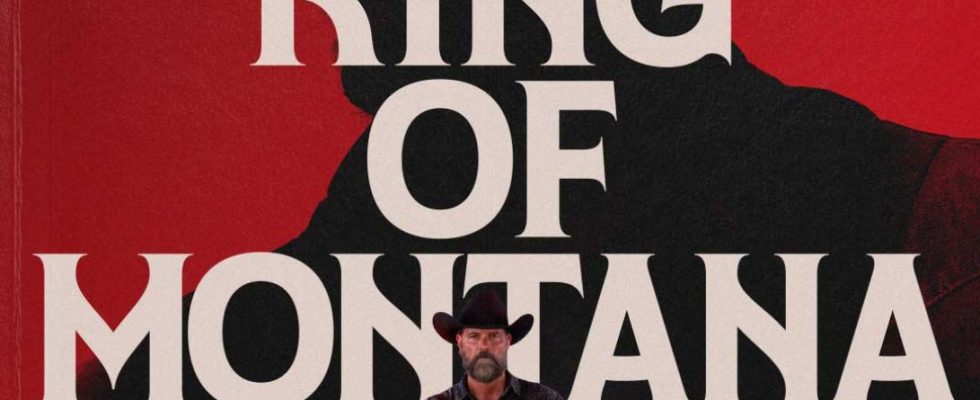
Hello, drama enthusiasts! Today, we’re exploring Yellowstone: King of Montana, a captivating ReelShort series that seamlessly intertwines crime narratives with familial complexities in a distinctly American backdrop. This intriguing tale centers on a powerful rancher living under the guise of a humble school janitor, infusing new energy into the concealed identity narrative while juxtaposing the majestic Montana landscapes with intense personal drama and revenge. The series is particularly noteworthy for its in-depth examination of father-son relationships against a backdrop of territorial disputes and themes of redemption.
Advertisements
The production quality of Yellowstone: King of Montana reflects ReelShort’s dedication to high-caliber storytelling. Its cinematography not only captures the breathtaking expanses of Montana but also focuses on intimate character interactions. The show employs a compact episodic format that sustains suspense while advancing intricate character arcs. Each episode is meticulously crafted for emotional resonance, striking a fine balance between action-packed sequences and moments that delve into character exploration.
At its thematic core, the series grapples with identity, vengeance, and the cost of power with noteworthy depth. It skillfully intertwines notions of legacy, sacrifice, and the multifaceted connections between fathers and sons. A standout aspect of this drama is its insight into how past decisions reverberate through generations, particularly within family enterprises and criminal undertakings. The writing displays a nuanced understanding of how the protagonist’s dual life influences his personal connections and quest for justice.
The Returning Monarch: Seeking Vengeance and Redemption
The narrative intricately constructs Henry Conrad’s world in its opening episodes, depicting his careful existence as a modest school janitor—significantly distant from his identity as the legendary founder of Yellowstone Ranch. His self-imposed seclusion indicates deeper emotional scars and unresolved conflicts, while his son’s involvement enriches the complexity of his decisions. The narrative ignites into action when his son endures severe bullying, compelling Henry to confront the ramifications of his secretive existence.
As the storyline unfolds, Henry must navigate the challenging tightrope of preserving his cover while safeguarding his son, all while devising his resurgence to power. The series adeptly builds tension through intertwining narratives, with Henry’s meticulous strategies colliding with pressing dangers to his family and legacy. Each episode introduces new complications and revelations, resulting in an increasingly gripping viewing experience as audiences unravel the full extent of Henry’s history and the true identities of his adversaries.
Henry Conrad: The Veiled Sovereign
As a protagonist, Henry Conrad is profoundly layered, portraying an exterior of humility that conceals a strategic intellect and commanding presence. His years as a janitor have afforded him invaluable perspectives of the community he once governed, adding richness to his character beyond traditional crime lord stereotypes. The portrayal encapsulates both his latent power and his authentic affection for his son, bringing forth moments of tender vulnerability amidst calculated fortitude.
Henry’s dual persona is particularly compelling as it mirrors deeper truths surrounding authority and accountability. His relationship with his son embodies both his greatest frailty and his most profound motivation, challenging him to ponder whether shielding his child requires him to embrace or renounce his past role as Montana’s sovereign. The character’s internal conflict between revenge and redemption drives much of the series’ emotional gravitas.
Marcus Conrad: The Cost of Legacy
Representing innocence amid chaos, Marcus Conrad, Henry’s son, grapples with his unawareness of his true heritage while facing its significant repercussions. His evolution from a bullied youth to a burgeoning force parallels his father’s journey and is handled with remarkable sensitivity, illustrating how trauma and discovery influence his self-perception and his relationship with his father.
The father-son dynamic between Henry and Marcus yields some of the series’ most poignant moments, as themes of trust, protection, and honesty clash. Their relationship transforms as Marcus begins to uncover truths about his father, generating tension that encapsulates love and fear, respect and doubt. This connection anchors the overarching narrative in profoundly personal stakes.
The Weight of Secrets
A significant strength of the series lies in its deliberate unveiling of truths, utilizing Henry’s concealed identity as a conduit to delve into broader themes of power and justice. Each revelation is strategically timed for most significant effect, creating consequences that reverberate through personal relationships and larger authority structures. The writing exhibits a sophisticated grasp of how secrets can serve as both shields and saboteurs.
This intricate tapestry is further enhanced by the series’ visual storytelling, where Montana’s striking landscapes serve as both setting and metaphor for the characters’ internal conflicts. The juxtaposition of Henry’s modest present and illustrious past is mirrored in elements like wardrobe choices and lighting, producing a textured visual language that reinforces the narrative’s central themes.
Triumph on ReelShort
Yellowstone: King of Montana has achieved notable success on ReelShort by providing a refreshing perspective on crime narratives that resonate with audiences seeking intricate character studies and emotional depth. The platform’s format facilitates a brisk pace while preserving the rich character evolution critical to the story. The series has drawn viewers who value both action-driven plots and nuanced depictions of familial relationships.
The show’s ability to fuse genres while preserving emotional authenticity has cemented its place as a remarkable entry in ReelShort’s lineup. Its success reflects the growing demand among audiences for narratives blending conventional crime drama elements with profound psychological and familial themes.
A New Era in Dramatic Storytelling
Ultimately, Yellowstone: King of Montana signifies a meaningful evolution in narratives surrounding crime families, demonstrating that familiar themes can resonate anew when approached with emotional intelligence and storytelling sophistication. By rooting its revenge arc in authentic human connections and intricate moral dilemmas, the series crafts an engrossing viewing experience that lingers long after the final credits. Far from merely another crime drama, it serves as a poignant exploration of family, identity, and the essence of power.