
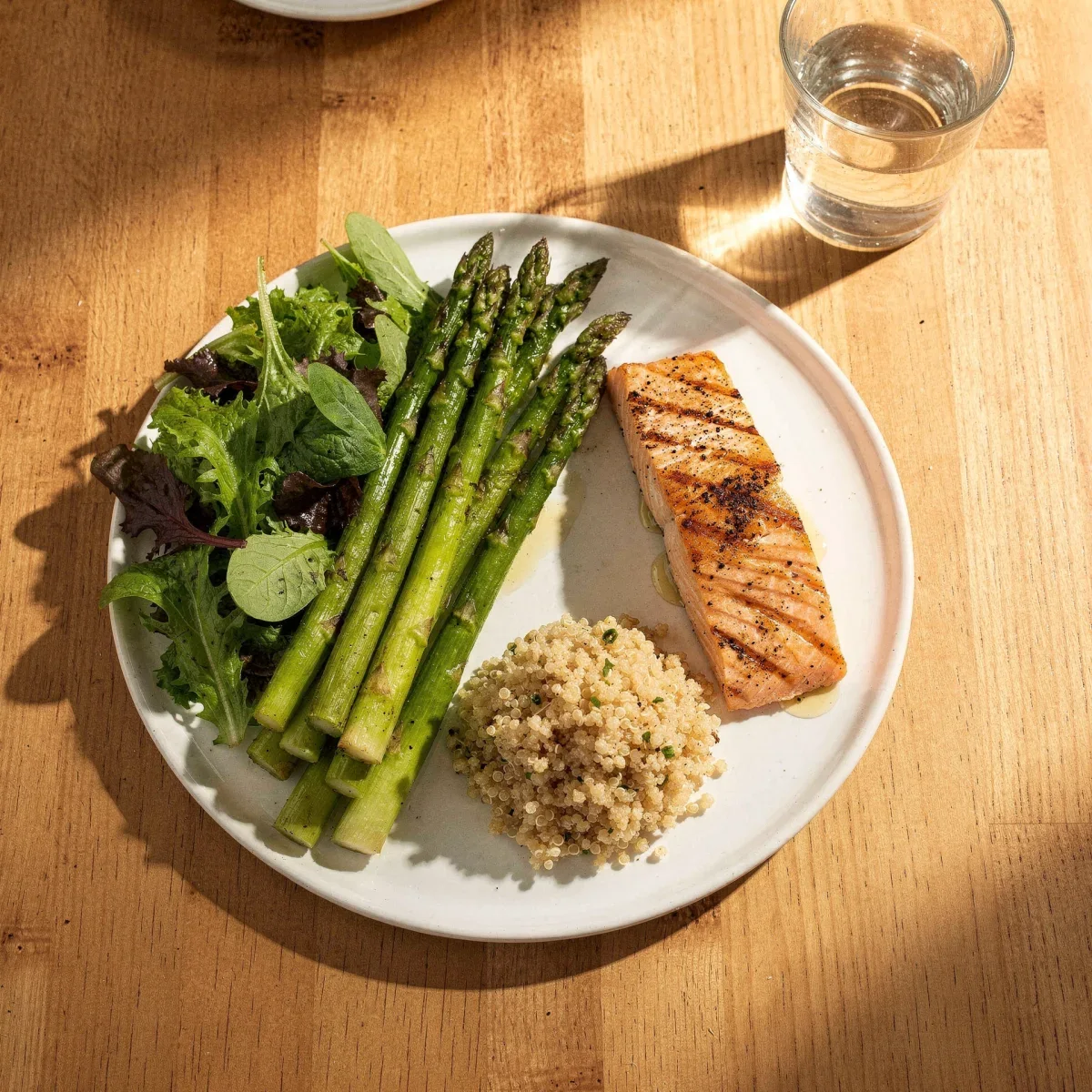
Counting calories and weighing every bite of food on a digital scale can quickly drain the joy out of eating. If you want a straightforward approach to balanced nutrition without tedious math, the plate method offers a visual, sustainable solution. By turning your standard dinner plate into an intuitive visual guide, you can balance your macronutrients and support healthy energy levels at every meal.
Advertisements
What Is the Plate Method and How Does It Work?
Originally developed in part by organizations like the American Diabetes Association and widely recommended by registered dietitians, this visual framework simplifies portion control. Instead of tracking grams or points, you mentally divide a standard 9-inch dinner plate into three functional sections.
This layout naturally manages overall calorie intake while ensuring you get adequate dietary fiber, lean protein, and micronutrients. Because visual cues are easy to remember, you can apply this system at home, at family gatherings, or when dining out at your favorite restaurants.
How to Divide Your Plate Step-by-Step
To put this strategy into practice, start with an everyday 9-inch plate and organize your food groups using these three basic sections:
- Fill half your plate with non-starchy vegetables: Load up on foods like spinach, kale, broccoli, bell peppers, asparagus, carrots, and green beans. These provide essential vitamins, minerals, and dietary fiber with relatively few calories.
- Fill one-quarter with lean protein: Aim for a palm-sized portion of skinless poultry, salmon, tofu, eggs, lean beef, or legumes. Protein helps maintain muscle mass and promotes satiety after meals.
- Fill one-quarter with quality carbohydrates: Choose complex carbs such as brown rice, quinoa, sweet potatoes, whole-wheat pasta, or black beans. These digest slowly and help prevent rapid blood sugar spikes.
| Plate Section | Recommended Target | Great Everyday Options |
|---|---|---|
| 50% (Half) | Non-Starchy Vegetables | Arugula, zucchini, tomatoes, cauliflower, cucumbers |
| 25% (One-Quarter) | Lean Proteins | Grilled chicken, turkey breast, shrimp, tempeh, lentils |
| 25% (One-Quarter) | Complex Carbohydrates | Oats, farro, wild rice, butternut squash, whole-grain bread |
Practical Tips for Mixed Dishes and Dining Out
One common question is how to handle combination meals like soups, stir-fries, stews, or pasta bowls. While these dishes do not sit in neat sections, you can still estimate the ratios. When cooking a chicken and vegetable stir-fry, make sure the volume of mixed veggies equals about half of your total skillet volume, with equal smaller portions of chicken and brown rice.
When you eat at restaurants, plate sizes often exceed 11 or 12 inches. Consider asking for a side salad or steamed vegetables as your primary side dish rather than double fries. If your entree arrives with oversized starch portions, simply box up half of the rice or pasta before you start eating.
Quick Takeaways
- Keep it visual: Dedicate half your 9-inch plate to colorful non-starchy vegetables, one quarter to lean protein, and one quarter to complex carbohydrates.
- No special tools needed: You do not need apps or food scales to achieve balanced daily nutrition.
- Adaptable anywhere: Use the same visual ratios for home cooking, takeout meals, and dinner parties.
Frequently Asked Questions
What size plate should I use?
A standard 9-inch plate works best. Many modern dinner plates measure 10 to 12 inches across, which can unintentionally lead to oversized portions.
Where do healthy fats fit in?
Incorporate healthy fats in modest amounts, such as a tablespoon of olive oil for cooking, a light vinaigrette over greens, or a few slices of avocado on top.
Can I use this method for weight loss?
Yes, research suggests that filling half your plate with low-calorie, high-fiber vegetables naturally creates a calorie deficit while keeping you satisfied throughout the day.
Making Portions Work for You
Healthy eating does not require rigid rules or exhausting tracking routines. Adopting the plate method gives you a dependable, flexible way to nourish your body and make confident meal choices wherever you go. Give this simple visual structure a try during your next grocery trip and meal prep session to see how effortless portioning can be.
This article is for informational purposes only and is not a substitute for professional medical advice. Talk to your doctor before making changes to your health routine.