
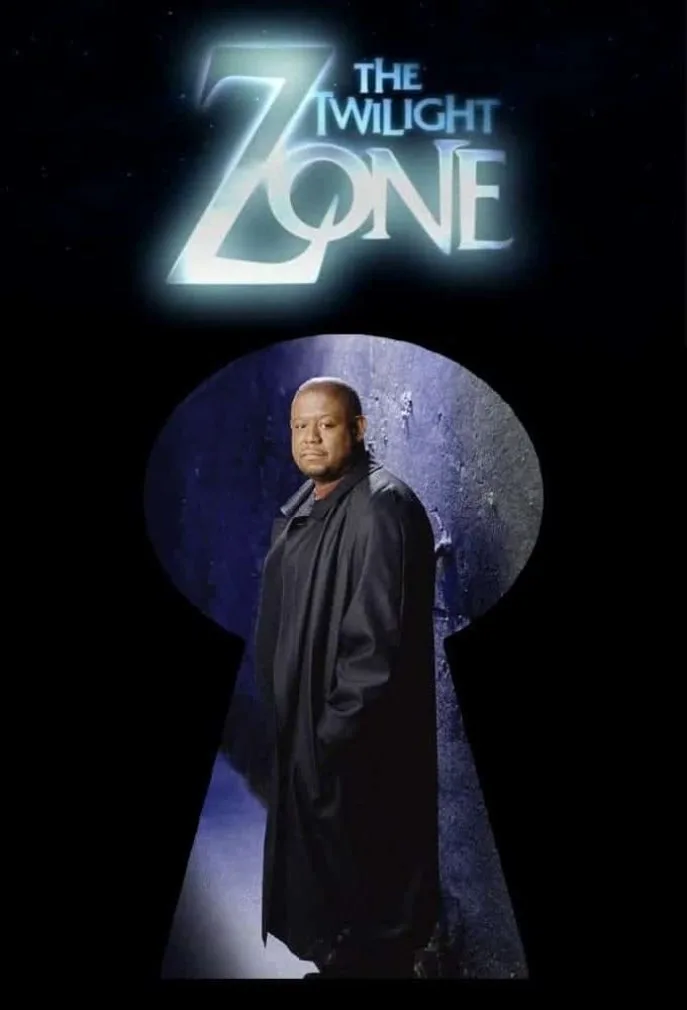
Greetings, viewers! Today, we delve into the anthology series The Twilight Zone, where Jordan Peele reimagines a classic sci-fi format to present narratives reflecting our current societal fears and realities.
Advertisements
The Twilight Zone is a reimagined American anthology television series crafted by Simon Kinberg, Jordan Peele, and Marco Ramirez, based on the seminal 1959 series created by Rod Serling. It debuted on April 1, 2019, on CBS All Access (now known as Paramount+) and ran for two seasons, totaling 20 episodes with runtimes ranging from 42 to 58 minutes each. Peele plays the dual role of narrator and executive producer through his production company, Monkeypaw Productions.
Following the footsteps of Serling’s original creation, the new iteration presents standalone narratives that probe the complexities of human emotions, societal prejudices, and moral dilemmas through various genres such as sci-fi, psychological thriller, and fantasy. Peele’s modern lens allows for the exploration of pressing themes, including the effects of social media, racial conflict, and dependency on technology, while preserving the philosophical essence that made the original series a touchstone of television history.
This updated version skillfully captures the eerie ambience of its predecessor while recontextualizing the stories for today’s audiences. Each episode functions as a morality play cloaked in genre elements, offering insights into profound human concerns and societal challenges.
Modern Morality Plays: Classic Framework Meets Present-Day Fears
The anthology structure of The Twilight Zone permits a diverse exploration of themes, tackling everything from technological dystopias to allegories of social justice. Noteworthy episodes, such as “The Comedian,” examine the costs associated with fame and creative authenticity, whereas “Replay” employs time manipulation as a metaphor for racial profiling and police brutality. This new series retains the original’s hallmark twist endings and moral reflections, all while engaging with contemporary anxieties.
Each episode stands alone, allowing audiences to engage with the series at their convenience, while cumulatively building a commentary on the state of society today. The series shines when it reinterprets classic The Twilight Zone concepts for the digital age, crafting narratives that resonate deeply while evoking a sense of nostalgia.
Jordan Peele: A Fitting Narrator and Innovator
In stepping into Rod Serling’s iconic role as narrator, Jordan Peele brings a unique voice and perspective to the show. Having garnered acclaim with his films “Get Out” and “Us,” Peele emerges as the perfect heir to Serling’s legacy, sharing a similar vision of utilizing genre storytelling to explore societal themes.
Peele’s narration channels the haunting, reflective tone that characterized Serling’s famous introductions, while his role as executive producer ensures each episode’s thematic continuity. With a background that spans both comedy and horror, Peele adeptly balances stories that resonate both comedically and disturbingly.
Memorable Episodes: A Blend of New Classics and Contemporary Dread
The series is enriched by the performances of notable guest stars, including Kumail Nanjiani, Adam Scott, Sanaa Lathan, and Tracy Morgan. Episodes like “USS Callister” (which received multiple Emmy accolades for its innovative take) exemplify how the series attracts high-caliber talent while delivering compelling standalone stories.
“Nightmare at 30,000 Feet,” a contemporary adaptation of the classic “Nightmare at 20,000 Feet,” illustrates both the potential and pitfalls of reimagining beloved episodes for today’s viewers. The show performs best when it forges completely new narratives rather than merely updating existing tales.
Real-World Reflections: When Horror Encounters Reality
The series delivers its most impactful moments when it tackles actual societal issues through supernatural allegories. Episodes that focus on racial strife, gender dynamics, and social media addiction effectively illustrate how the The Twilight Zone format can shine a light on contemporary dilemmas. Nonetheless, certain episodes may sacrifice narrative nuance for overt messaging.
The willingness to confront contentious topics underscores Peele’s dedication to leveraging the platform for social commentary, in the spirit of Serling’s legacy of addressing uncomfortable truths through the veil of genre fiction. The outcomes range from brilliant to excessively preachy, yet they always prompt reflection.
Star Power and Production Quality
The series benefits from exceptional production quality and performances from distinguished actors who lend depth to the anthology format. The visual effects and cinematography contribute to a suitably unsettling atmosphere that pays homage to the original while presenting a modern twist.
Supporting characters and ensemble segments resonate best when they focus on universal human experiences rather than being tethered to specific issues of the day. The series excels in crafting memorable characters, even within the constraints of standalone storytelling.
Mixed Critical Reception on Paramount+
The Twilight Zone has encountered a divided reception from critics and viewers alike, with acclaim for Peele’s vision and individual episodes contrasted by critiques of uneven quality and overt messaging. Episode ratings on IMDb vary significantly, with some surpassing 7.0 while others dip below 6.0. In spite of its robust production values and star-studded cast, the series faced cancellation after two seasons in February 2021. The Twilight Zone struggled to strike a balance between honoring its original counterpart and carving out a distinctly contemporary identity, resulting in a spectrum of episodes that ranged from exceptional to unsatisfactory.
A Relevant Modern Reimagining Despite Inconsistencies
For fans of anthology series that weave social critique with supernatural elements, The Twilight Zone is a series worth exploring on Paramount+. While it may not be consistent throughout, several episodes stand out as commendable examples of modern storytelling within the genre.
Reasons to Consider This Contemporary Twilight Zone
Positive Aspects:
- Jordan Peele injects fresh insight and high production quality into a classic format.
- Numerous episodes adeptly modernize classic The Twilight Zone themes for today’s viewers.
- Outstanding guest performances from renowned actors across episodes.
- Impressive visual effects and cinematography create a suitably eerie atmosphere.
- Addresses significant social issues through the vehicle of genre storytelling.
Negative Aspects:
- Inconsistency in episode quality, with some episodes failing to meet the original series’ bar.
- Overly direct social commentary occasionally detracts from narrative subtlety.
- Attempts at direct remakes of classic episodes can be lackluster compared to their originals.
- Cancellation after just two seasons limits its overall legacy.
- Mixed reviews indicate it may not have captured widespread audience appeal.
The Twilight Zone serves not only as a tribute to Rod Serling’s legendary creation but also as a platform for commentary on modern society, delivering thought-provoking content even when individual episodes fall short.
Series Overview
- Episode Count: 20 episodes (2 complete seasons)
- Available On: Paramount+ (formerly CBS All Access)
- Release Period: 2019-2020 (canceled)
- Current IMDb Score: 6.1/10 (varies by episode)
- Genres: Anthology, Science Fiction, Psychological Horror
- Production Type: American series
- Status: Canceled after 2 seasons in February 2021
- Main Characters: Various guest stars featured in each episode (Kumail Nanjiani, Adam Scott, Sanaa Lathan, Tracy Morgan, etc.)
- Main Themes: Varies by episode (societal issues, technology, human nature)