
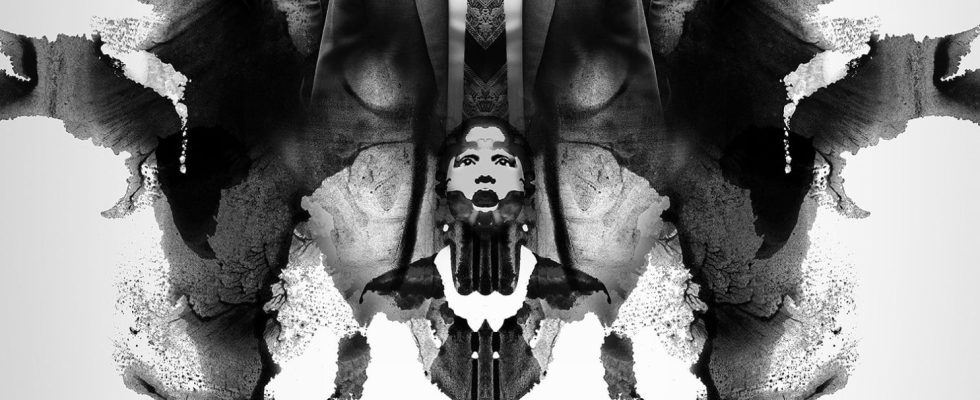
Hey there, friends! Hope everyone’s doing well! Today, I’m excited to chat about the series Mindhunter, a show that totally shook up the crime thriller scene and offered one of the scariest insights into the psyche of serial killers that we’ve ever seen on screen.
Advertisements
Mindhunter is this amazing American psychological crime thriller, crafted by Joe Penhall and brought to life by the legendary David Fincher. It hit our screens on October 13, 2017, via Netflix, spanning 19 episodes across two gripping seasons, each running about 50-60 minutes. The stellar cast includes Jonathan Groff, Holt McCallany, and Anna Torv, and the story takes us through the inception of the FBI’s Behavioral Science Unit in the late 70s, marking the dawn of criminal profiling.
One of the standout features of Mindhunter is its detailed, methodical exploration of the criminal mind. Set against the backdrop of the late 1970s, it follows two FBI agents who venture into a chilling world of murderers and dive deep into the psychology behind their heinous actions. Based on the true crime book “Mindhunter: Inside the FBI’s Elite Serial Crime Unit” by John Douglas and Mark Olshaker, the show seamlessly blends real-life cases and haunting interviews, making it a rollercoaster of terror and intrigue.
The brilliant balance of academic investigation and gripping storytelling creates a vibe that’s both intellectual and intensely unsettling. With Fincher’s meticulous direction, each shot is crafted to enhance the narrative, making Mindhunter one of the most visually stunning and narratively rich crime series we’ve seen to date.
The Groundbreaking Journey of Criminal Profiling
Following Agents Holden Ford (Jonathan Groff) and Bill Tench (Holt McCallany), Mindhunter showcases their goal to create a framework for understanding some of the most dangerous serial killers in America. The plot centers on the groundbreaking idea of interviewing imprisoned killers to grasp their psychology, aiming to craft profiles that could help catch active murderers.
Taking us back to the late ‘70s and early ‘80s, we watch Ford and Tench travel nationwide, interviewing notorious figures like Ed Kemper, Monte Rissell, and Richard Speck. Their chilling yet captivating conversations unveil insights that forever change criminal investigations, all while exploring the psychological weight this work inflicts on the agents.
Holden Ford: The Young Agent on a Dark Path
Jonathan Groff shines as Holden Ford, a young FBI agent whose keen interest in criminal behavior borders on obsession. Starting off as an optimistic hostage negotiator, Ford believes that understanding killers can help bring them to justice but soon finds himself engulfed in his research.
Groff’s portrayal of Ford’s transformation from an earnest investigator to someone who begins to empathize disturbingly with the killers is nothing short of masterful. His growing arrogance and disconnect from normal emotions become more alarming as the series progresses, prompting us to ponder whether delving into the minds of monsters ultimately alters the investigator.
Bill Tench: The Steady Veteran Countering the Chaos
Holt McCallany brings depth and humanity to the character of Bill Tench, Ford’s seasoned partner who often serves as the voice of reason. Initially skeptical of Ford’s unconventional methods, Tench evolves into a staunch believer in their necessity. McCallany’s performance stabilizes the series, delivering the emotional constancy that Ford increasingly lacks.
Tench’s personal struggles, particularly with a troubled son, add layers to his character, reflecting how the darkness of their work permeates their personal lives. The dynamic between Ford and Tench is central to the series, showcasing the tug-of-war between innovation and caution, theory versus practice.
Atlanta Child Murders: Real-life Horror Meets Profiling
Season 2’s focus on the Atlanta child murders from 1979-1981 brings a powerful and controversial storyline to the forefront. This case challenges everything Ford and Tench believe about profiling when they are called to aid in the investigation of numerous murdered African American children and young adults.
This storyline expertly navigates the complexities of racial politics, media scrutiny, and community strife, complicating the criminal investigation. The series tackles this sensitive historical case with impressive depth, revealing how the FBI’s new profiling techniques were tested in a case that resisted simple categorization. The conclusion is both satisfying and deeply unsettling, highlighting the limits of even advanced investigative methods.
Dr. Wendy Carr: The Academic Backbone
Anna Torv’s Dr. Wendy Carr adds the academic legitimacy to Ford and Tench’s unconventional methods. As a forensic psychologist, she lends scientific credibility to their interviews while grappling with her own personal challenges. Torv’s performance imparts intellectual heft to the series, exploring how constant exposure to criminal minds impacts mental health professionals.
Carr also tackles themes of gender and sexuality in the male-dominated 1980s FBI, illustrating her struggles as a woman in a challenging field while hiding her sexual orientation amidst institutional discrimination.
Netflix’s Acclaimed Original Series
Mindhunter became one of Netflix’s shining jewels, garnering accolades for its cast, direction, and psychological depth. The first season enjoyed positive reception, boasting a Metacritic score of 79 out of 100 based on 25 critics, signifying “generally favorable reviews.” On Rotten Tomatoes, it holds a stunning 96% approval rating and an average score of 8 out of 10 from 102 reviews. Its meticulous attention to detail and commitment to psychological realism raised the bar for crime dramas on the platform, though sadly it was canceled after just two seasons due to budget issues and decreased viewership.
A Masterclass in Psychological Exploration
If you’re a fan of psychological thrillers that plunge into the depths of the human psyche, Mindhunter is an absolute must-watch on Netflix. It’s a rare gem that merges intellectual rigor with authentic emotional resonance, crafting one of the truest representations of criminal investigation ever seen on screen.
Why You Can’t Miss This Psychological Triumph
Highlights:
- Incredible performances by Jonathan Groff, Holt McCallany, and Anna Torv
- Fincher’s attention to detail creates an unmatched atmosphere
- Authentic depiction of real FBI cases and the evolution of criminal profiling
- Exceptional writing blending psychological depth with captivating storytelling
- Superb production design that transports viewers to the late 70s and early 80s
Drawbacks:
- Pacing can be slow, which may frustrate action-seeking viewers
- Dark themes and graphic discussions of violence are prevalent
- Cancellations after two seasons left some storylines hanging
- Focus on dialogue and psychological analysis over traditional crime drama elements
- Some episodes might feel more like lectures than pure entertainment
Mindhunter isn’t merely a crime series; it’s a profound look into the understanding of evil and the personal price of gazing into the abyss of human darkness.
Show Essentials
- Episodes: 19 episodes (2 seasons completed)
- Available On: Netflix
- Release Years: 2017-2019 (canceled)
- Current IMDb Score: 8.6/10
- Genre: Crime Psychological Thriller
- Production Type: Western series
- Status: Canceled after 2 seasons
- Main Characters: Holden Ford (Jonathan Groff), Bill Tench (Holt McCallany), Dr. Wendy Carr (Anna Torv)
- Main Antagonists: Various real-life serial killers including Ed Kemper (Cameron Britton) and Monte Rissell (Sam Strike)