
Splitting up payments on a big purchase can make shopping for electronics, holiday gifts, or designer clothes much easier on your checking account. When choosing between layaway and buy now pay later (BNPL) options, the right choice depends on your timeline, your budget, and how you want to manage your cash flow.
Advertisements
While both methods let you break a total bill into smaller installments, their rules, timelines, and financial risks are completely different. Here is everything you should understand before selecting either option at checkout.
How Layaway Works in Modern Retail
Traditional layaway is a payment plan where a retailer reserves an item for you while you make scheduled payments over weeks or months. You only take the item home after you have paid the entire balance.
Today, retailers like Burlington, military exchanges, and select jewelry or bridal stores still offer layaway, especially around the holiday shopping season. Here are the core features of standard layaway:
- Delayed Gratification: The store holds your physical merchandise until the final balance hits zero.
- Upfront Down Payment: Most programs require an initial deposit, often 10% to 20% of the total purchase price.
- Service and Restocking Fees: Stores frequently charge a small setup fee (around $5 to $10) and a cancellation or restocking fee if you fail to complete your payments.
- No Credit Impact: Layaway programs almost never run a credit check or report payments to credit bureaus.
How Buy-Now-Pay-Later (BNPL) Works
Buy-Now-Pay-Later services—such as Klarna, Afterpay, Affirm, and PayPal Pay in 4—have revolutionized online and in-store checkout at major retailers like Target, Best Buy, and Nordstrom. Unlike layaway, BNPL lets you take your items home immediately.
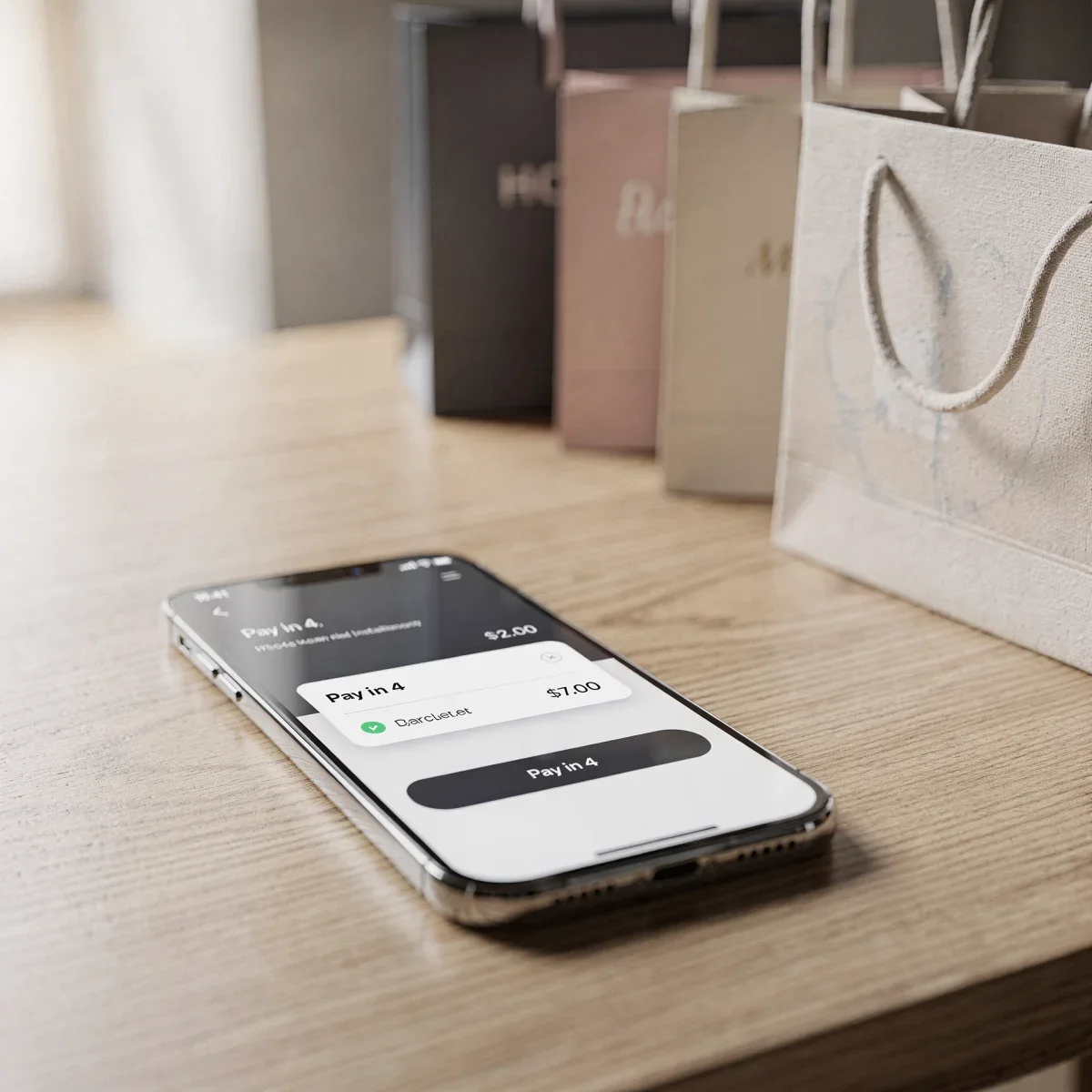
The standard BNPL setup is a "Pay-in-4" structure: you pay 25% at checkout, and the remaining 75% is charged automatically to your debit or credit card in three equal installments every two weeks over six weeks.
- Instant Possession: You get your items right away, just like paying with a standard credit card.
- Zero Interest (If Paid on Time): Most four-installment plans charge 0% interest, provided you never miss a payment date.
- Soft Credit Checks: Most BNPL apps run a soft credit pull that does not hurt your credit score.
- Automated Drafts: Payments are automatically charged to your linked card, which can trigger overdraft fees if your balance runs low.
Key Differences: Comparing Layaway and Buy-Now-Pay-Later
Choosing between these two financing methods comes down to speed, fees, and self-discipline. Review this direct comparison before your next major checkout:
| Feature | Traditional Layaway | Buy-Now-Pay-Later (BNPL) |
|---|---|---|
| Item Delivery | After full payment is complete | Immediately at checkout |
| Payment Period | 30 to 90 days | Typically 6 weeks (for Pay-in-4) |
| Interest Charged | 0% | 0% for Pay-in-4; variable for longer terms |
| Credit Check | None | Soft credit inquiry (hard pull for long-term loans) |
| Risk of Overspending | Low (forces budgeting) | High (encourages impulse buys) |
| Cancellation Policy | Item returned, fees may apply | Subject to standard store return policies |
What to Check Before Choosing a Payment Method
Before committing to either financing path, review these three vital details to protect your finances:
- Return and Refund Policies: Returning a BNPL item requires processing through both the store and the payment app, which can take several billing cycles. Layaway cancellations usually refund your cash minus administrative fees.
- Hidden Penalties: Check late fees. While some BNPL apps have dropped late charges, others charge up to $8 per missed installment or freeze your account entirely.
- Auto-Pay Schedules: Ensure installment dates align with your personal payday schedule to avoid bank overdraft charges.
Quick Takeaways
- Layaway holds the item until you finish paying, making it a zero-debt, discipline-friendly option.
- BNPL delivers your order immediately but carries greater risk of impulse overspending and accidental overdrafts.
- Always read the cancellation, refund, and late-fee policies before checking out with either service.
Frequently Asked Questions
Does Buy-Now-Pay-Later hurt your credit score?
Standard pay-in-4 plans usually do not affect your credit score because lenders perform only soft inquiries. However, longer monthly financing plans or delinquent accounts sent to collections can negatively impact your credit report.
What happens if you cancel a layaway order?
If you cancel a layaway agreement, the store returns your payments, minus a small service fee and a cancellation or restocking fee. You do not owe any remaining balance.
Is BNPL better than using a traditional credit card?
BNPL can be better if you stick to a 0% interest pay-in-4 plan and pay on time. Unlike credit cards, BNPL prevents compounding interest, but credit cards offer stronger consumer purchase protections and rewards.
Final Advice
Understanding the balance between layaway and buy now pay later allows you to make big purchases without wrecking your monthly budget. If you want zero risk of debt, layaway keeps your spending grounded. If you need the item immediately and have reliable cash flow for automated payments, BNPL provides convenient flexibility. To find more ways to save on your next shopping trip, explore our guides to holiday budget planning and retail rewards programs.