
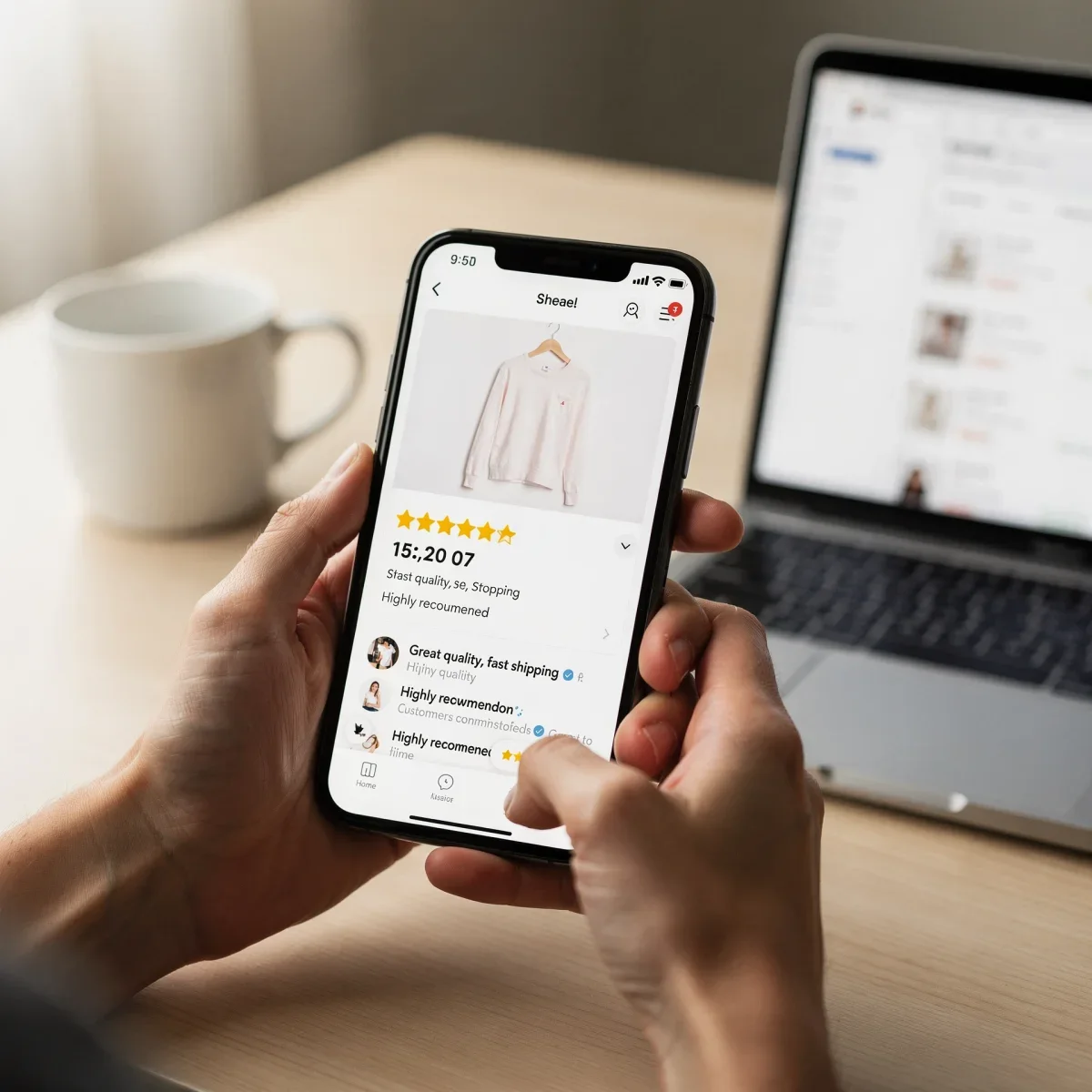
We have all been there: you find an item with thousands of five-star ratings, click purchase, and end up with total junk. Learning how to read product reviews with a critical eye protects your wallet and saves you the hassle of endless returns. Here is how you can cut through the noise and evaluate feedback like a seasoned shopper.
Advertisements
Look Past the Overall Star Rating
An aggregate score of 4.8 stars looks impressive at first glance, but that number rarely tells the full story. Many sellers on platforms like Amazon or Walmart use tactics like product page recycling, where they swap a previously well-reviewed cheap item for a completely different product.
Always check the total distribution curve. A healthy product generally shows a steady slope from five stars down to one. If you notice a high concentration of five-star praise paired with an unusually steep spike of one-star complaints, take a closer look. That polarization often points to paid reviews masking serious build-quality flaws or inconsistent quality control.
Focus on the Honest Three-Star Reviews
Five-star reviews often come from people riding the high of an unboxing, while one-star reviews are frequently driven by shipping delays or damaged boxes that have nothing to do with the item itself. When you want real feedback, head straight to the three-star and two-star tabs.
- Balanced perspective: Middle-tier reviewers usually appreciate what works while openly calling out design quirks.
- Long-term durability notes: These buyers often update their feedback after three to six months of regular use.
- Sizing and fit accuracy: On fashion and home goods sites like Target or Nordstrom, middle reviews offer the most reliable size warnings.
These moderate write-ups give you a realistic picture of what daily ownership actually feels like.
Inspect Customer Photos and Videos
Marketing images use professional studio lighting, flattering angles, and digital touch-ups to make materials look high-end. Customer-uploaded photos reveal the truth about color, texture, and real-world proportions.
| What Marketing Shows | What User Photos Reveal |
|---|---|
| Flawless, smooth fabric | Thin, sheer material or loose stitching |
| Rich, saturated colors | Dull shades that look different in daylight |
| Compact, seamless footprint | Bulky adapters, exposed cords, or cheap plastic seams |
Search specifically for reviews containing images before purchasing furniture, clothing, or electronics.
Spot the Telltale Signs of Fake Feedback
Automated bots and paid review rings leave predictable footprints. Watch for clusters of vague, five-star ratings posted across a single weekend, especially if they reuse awkward phrasing or mention the exact, clunky product title repeatedly.
Free browser extensions like Fakespot and ReviewMeta can help grade review authenticity, but your own judgment remains your best tool. If twenty reviews in a row praise the item using generic words without detailing a single specific feature, treat those claims with skepticism.
Quick Takeaways
- Check the three-star reviews first for the most objective, balanced pros and cons.
- Examine user-submitted photos to see actual colors, sizing, and build quality.
- Watch out for unnatural review volume spikes and repetitive, generic praise.
Frequently Asked Questions
Are verified purchase badges always trustworthy?
They confirm a transaction took place through the platform, but some dishonest sellers reimburse reviewers after the fact. Use badges as one helpful signal rather than definitive proof of unbiased feedback.
Why do some great products have bad reviews?
Buyers often leave low ratings for carrier shipping delays, damaged packaging, or user error rather than the product itself. Filter those out to focus strictly on performance and reliability.
How many reviews should a product have before I buy?
Look for at least 30 to 50 detailed reviews spread out over several months. This volume provides enough data to spot recurring defects, wear patterns, or sizing trends.
Final Shopping Advice
Taking sixty seconds to systematically read product reviews ensures you spend money on items that actually deliver on their promises. Next time you build a cart at Best Buy or Amazon, run through this checklist before hitting checkout. Want more smart buying advice? Check out our latest guides on spotting counterfeit goods and scoring the best seasonal deals.