
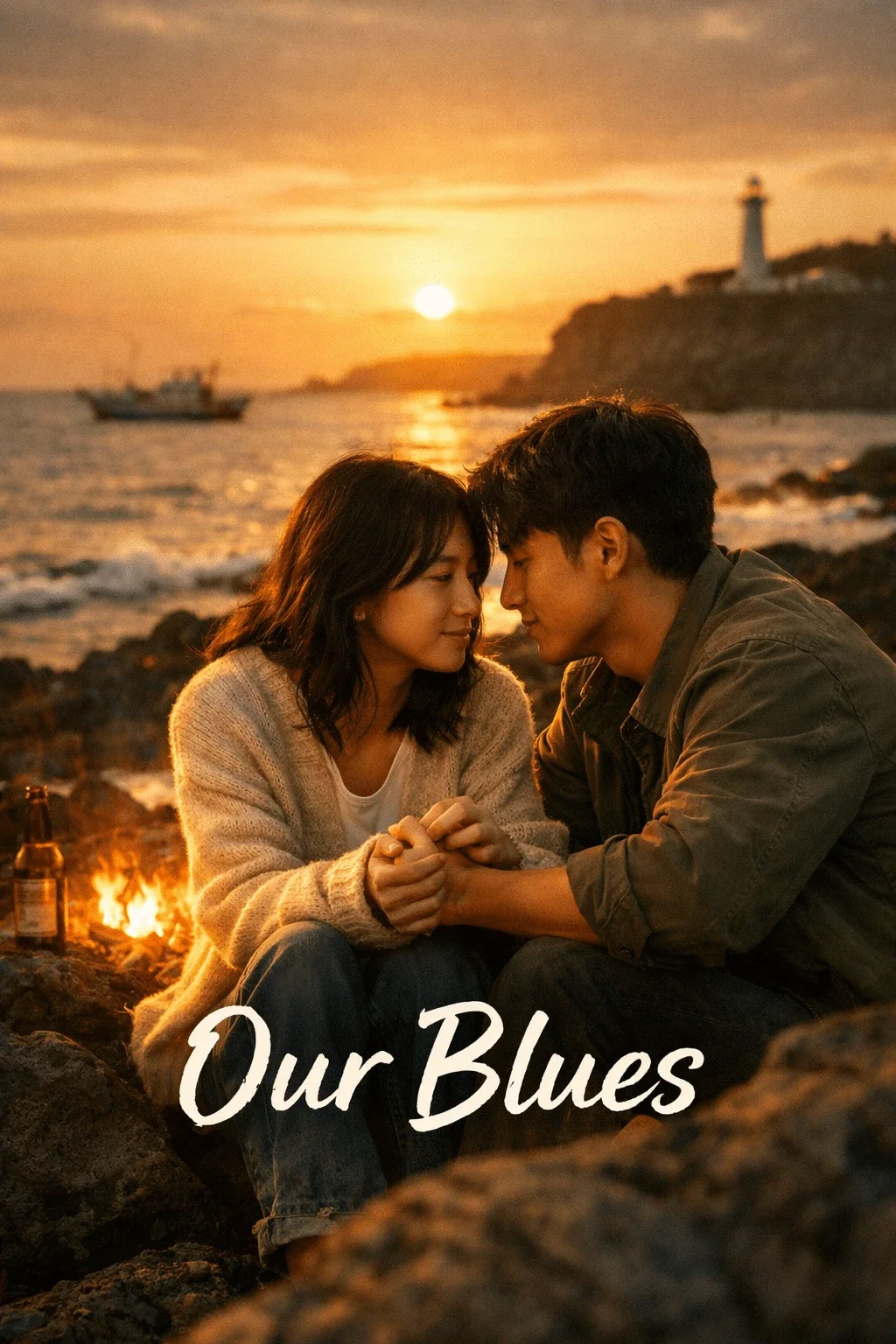
Hello, everyone! How’s everything? Today, I’m excited to share my thoughts on the drama Our Blues, which has enchanted viewers around the globe with its heartfelt depiction of community life on Netflix.
Advertisements
This slice-of-life ensemble drama made its debut in April 2022, comprising 20 episodes, each lasting about 80 minutes, available on Netflix. Set against the stunning backdrop of Jeju Island, the series intertwines several interconnected narratives that delve into the intricacies of human relationships, family dynamics, and personal development. Unlike conventional K-dramas that focus on a single romantic arc, Our Blues adopts an anthology approach, showcasing various residents of a small island community as they tackle life’s hurdles and celebrate their victories.
The drama distinguishes itself through its authentic representation of everyday individuals facing extraordinary situations, creating a rich tapestry of human experiences that resonates with audiences from diverse backgrounds. Each episode shifts focus among different characters while preserving the overarching themes of resilience, forgiveness, and the strength of community support.
A Community of Interconnected Lives
The narrative unfolds through various interconnected stories centered around the inhabitants of Jeju Island. At the core of these tales are Lee Dong-seok, a former soccer player turned truck driver, and Min Sun-ah, a successful woman returning to her roots with hidden truths from her past. Their reignited romance acts as a central thread linking the various plots.
Other significant narratives include the youthful love story between Park Jung-jun and Choi Han-su, teenage sweethearts confronting an unplanned pregnancy; the journey of Bang Ho-sik and Lee Yeong-ju, middle-aged individuals discovering love later in life; and the complicated relationship between Ok Dong-seok and his daughter as they face old wounds and misunderstandings. Each storyline explores different phases of life and love, from adolescent romance to companionship in old age.
Lee Dong-seok and Min Sun-ah: A Love Rediscovered
Dong-seok symbolizes the everyman who has faced both triumphs and setbacks, learning to appreciate the simplicity of island life. His character journey delves into themes of redemption and second chances, as he reconstructs his life after his soccer career was cut short by injury. His bond with Sun-ah serves as a catalyst for addressing his past regrets and allowing himself to love again.
Sun-ah’s character represents the successful urban woman who returns home to tackle unresolved issues from her past. Her path involves confronting familial trauma, societal expectations, and her own anxieties about vulnerability. The chemistry between these characters fosters a mature romance that feels genuine and rooted in real emotional evolution rather than grand gestures.
Park Jung-jun and Choi Han-su: Young Love Under Pressure
The teenage narrative offers some of the most emotionally intense moments in the drama, as Jung-jun and Han-su navigate an unexpected pregnancy that compels them to mature rapidly. Their journey addresses themes of responsibility, familial pressure, and the heavy burden of choices that will shape their futures.
These young characters embody hope and resilience, illustrating how love can endure even the toughest situations when bolstered by supportive families and communities. Their transition from carefree teenagers to young adults facing real-life consequences generates some of the series’ most poignant emotional moments.
Where All Narratives Meet
The series reaches its emotional zenith during episodes that unite all the narratives amid community crises and celebrations. These converging moments reveal how individual struggles impact the collective and how communal support can aid in overcoming the darkest times. The culmination episodes illustrate the genuine essence of belonging, showing that home is not merely a location but the people who stand by you.
The resolution of each narrative feels well-deserved and authentic, steering clear of tidy Hollywood endings in favor of realistic conclusions that recognize both progress and ongoing challenges. The series effectively demonstrates that life persists beyond dramatic events, and healing is a continuous journey rather than a final destination.
The Pulse of Community
The extensive supporting cast enriches and authenticates the island environment, with each character playing a vital role in the overall fabric of community life. From local shopkeepers to elderly residents with their own love stories, every character feels integral to the universe the series builds.
The series excels in showcasing various generations coexisting and learning from one another, illustrating how wisdom circulates between age groups and how each generation confronts universal human challenges in their distinct manners.
A Triumph on Netflix
Our Blues achieved remarkable success on Netflix by providing viewers with a refreshing alternative to typical K-drama offerings. Global audiences were attracted to its genuine depiction of Korean island life, its sophisticated treatment of complex themes, and its ensemble cast of beloved actors such as Lee Byung-hun, Shin Min-a, and Kim Woo-bin. The series received acclaim for its cinematography that highlights the natural beauty of Jeju Island and its realistic storytelling that eschews melodramatic clichés. Its anthology format allows audiences to engage with multiple narratives while experiencing the richness of community life.
If you enjoy character-driven dramas featuring authentic human stories and stunning settings, Our Blues is an ideal series to indulge in on Netflix. A brilliantly crafted drama that celebrates the splendor of everyday life and demonstrates that the most impactful stories often stem from the simplest human connections.
Série Detalhes:
Número de Episódios: 20 episodes
Plataforma: Netflix
Avaliação: 8.9/10 IMDb
Gênero: Slice of Life, Romance, Family Drama
Protagonistas: Lee Byung-hun (Lee Dong-seok), Shin Min-a (Min Sun-ah), Kim Woo-bin (Park Jung-jun), Han Ji-min (Lee Yeong-ju)
Antagonista: Life circumstances/Personal struggles (no traditional villain)