
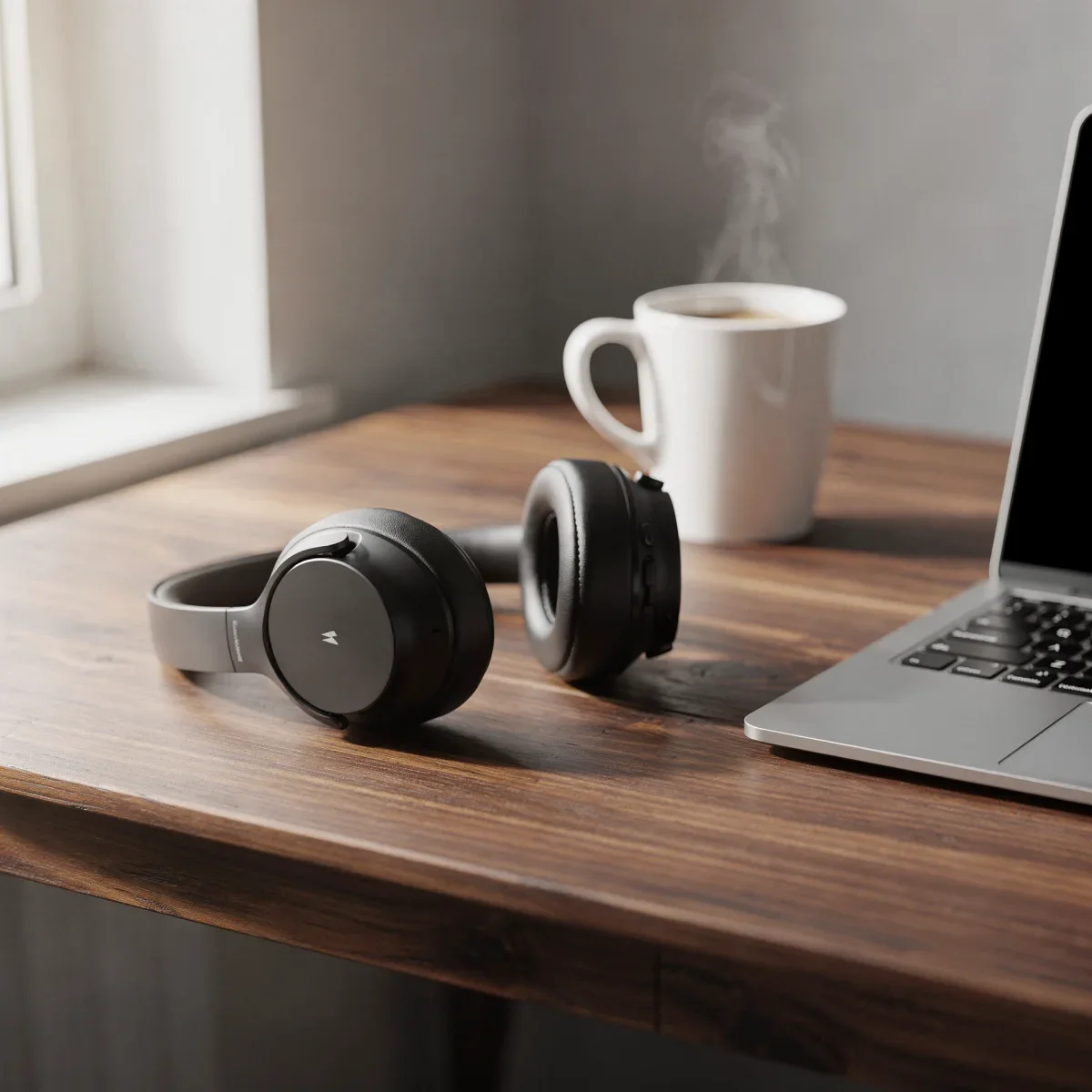
Whether you want to mute airplane engine roar, tune out chatter in a busy coffee shop, or stay focused at your home office desk, picking the right audio gear makes all the difference. Knowing how to choose a good pair of noise-cancelling headphones requires balancing acoustic performance, physical comfort, battery endurance, and everyday usability. With hundreds of options lining the shelves at retailers like Best Buy, Target, and Amazon, narrowing down the field can feel daunting. This guide breaks down the essential technology, key features, and practical considerations you need to find the perfect fit for your lifestyle and budget.
Advertisements
Understanding Active vs. Passive Noise Cancellation
Before spending your money, it helps to understand what actually blocks out sound. Headphones use two distinct methods to keep the outside world at bay: passive isolation and active noise cancellation (ANC). Getting the best quiet experience usually requires a smart combination of both.
- Passive Noise Isolation: This is the physical barrier created by the headphone hardware. Thick memory foam ear cushions on over-ear models or snug silicone tips on in-ear buds create an acoustic seal that physically blocks high-frequency ambient sounds like typing or conversations.
- Active Noise Cancellation (ANC): This system uses tiny external and internal microphones to monitor environmental sounds. Dedicated internal processors instantly generate inverted soundwaves (anti-phase audio) that neutralize incoming low-frequency noises, such as subway rumbles, air conditioner hums, and jet engines.
- Adaptive ANC: Advanced models constantly measure ambient decibel levels and ear-fit leakage, automatically adjusting the cancellation intensity in real time without requiring manual toggling in an app.
Key Factors to Consider When Buying Noise-Cancelling Headphones
Great noise cancellation is only part of the equation. If a pair sounds muddy or hurts your ears after thirty minutes, you will quickly regret your purchase. Evaluating these core criteria ensures long-term satisfaction.
1. Sound Quality and Audio Profiles
Sound signature varies wildly across brands. Some manufacturers emphasize heavy sub-bass for energetic hip-hop and electronic music, while others aim for a neutral, balanced frequency response suitable for podcasts, classical recordings, and acoustic tracks. Look for headphones that provide companion apps featuring customizable multi-band equalizers (EQ) so you can tweak treble, mid-range, and bass to your personal taste.
2. Comfort, Weight, and Clamping Force
Comfort is subjective but critical. If you wear headphones for multi-hour cross-country flights or full workdays, pay attention to weight (ideally under 9 ounces for over-ears) and headband padding. Excessive clamping force can create pressure points around your temples and jaw, especially if you wear glasses. Breathable ear cup materials like plush protein leather or fabric mesh reduce heat buildup during long listening sessions.
3. Battery Life and Fast-Charging Capabilities
Modern wireless ANC over-ear headphones typically offer between 24 and 40 hours of continuous playback with noise cancellation enabled. In-ear true wireless earbuds usually deliver 6 to 10 hours per charge, with their charging cases providing an additional 18 to 24 hours. Check for USB-C fast charging: many leading pairs can gain 3 to 5 hours of playback from just a 10-minute quick charge.
| Feature | What to Look For | Why It Matters |
|---|---|---|
| ANC Strength | Hybrid/Adaptive ANC with multiple mics | Silences low engine hums and erratic background noise |
| Transparency Mode | Natural ambient passthrough with voice focus | Lets you hear flight announcements and traffic safely |
| Bluetooth Codecs | AAC, aptX Adaptive, LDAC | Ensures high-resolution, low-latency wireless transmission |
| Multipoint Pairing | Simultaneous dual-device connection | Seamlessly switches between laptop calls and phone audio |
| Microphone Quality | Beamforming mics with wind reduction | Maintains voice clarity during Zoom and cellular calls |
Over-Ear vs. In-Ear: Matching Design to Your Routine
Your daily routine plays a huge role in determining whether full-sized over-ear headphones or compact in-ear earbuds suit you best.
Over-Ear Headphones: These offer superior passive isolation, roomier soundstages, larger dynamic drivers, and significantly longer standalone battery life. They are ideal for frequent flyers, home-office professionals, and dedicated audiophiles. However, they are bulkier to pack and can feel warm during summer commutes.
In-Ear True Wireless Earbuds: These provide unmatched portability, slipping easily into a jeans pocket. Modern high-end earbuds deliver surprisingly powerful ANC along with sweat resistance (look for an IPX4 rating or higher), making them the natural choice for gym workouts, daily runs, and light travel.
Smart Software and Connectivity Features Worth Having
Hardware specs tell only half the story; software refinement often determines daily convenience.
- Bluetooth Multipoint: This allows your headphones to maintain active connections with two devices at once (such as your MacBook and iPhone). When a call rings on your phone while you are watching a video on your computer, the audio switches automatically.
- Ambient / Transparency Mode: Using the built-in microphones to pipe outside sound into your ears, this mode lets you order a coffee or cross busy city streets without removing your headset.
- Customizable Touch Controls: Reliable physical buttons or responsive touch sensors prevent accidental track skips while adjusting your fit.
- Wear Detection: Optical sensors automatically pause your audio when you take the headphones off and resume playback when you put them back on, saving battery life.
Quick Takeaways
- Prioritize hybrid active noise cancellation combined with high-quality memory foam or silicone seals for maximum acoustic isolation.
- Choose over-ear models for extended battery life and deep comfort; opt for in-ear buds with an IPX4 water-resistance rating for active lifestyles and compact travel.
- Ensure the model supports Bluetooth Multipoint and app-based EQ customization so your gear adapts seamlessly to your favorite devices and music genres.
Frequently Asked Questions
Do noise-cancelling headphones block out human voices completely?
ANC excels at removing predictable, low-frequency continuous noises like engine rumbles and fans. While they significantly muffle speech, high-pitched or sudden irregular sounds like loud conversations are reduced rather than eliminated entirely.
Does using active noise cancellation drain the battery faster?
Yes. Running external microphones and internal digital signal processors takes extra energy. Leaving ANC turned on typically reduces overall battery playback time by roughly 20% to 30% compared to standard listening mode.
Can I use noise-cancelling headphones without playing music?
Yes. Most models allow you to turn on ANC without playing audio, creating a quiet zone for reading, sleeping on flights, or studying. Some pairs require adjusting an auto-shutoff timer in their companion app to stay awake without music.
Finding Your Ideal Audio Companion
Investing in a dependable pair of noise-cancelling headphones transforms how you travel, work, and enjoy your favorite media. By weighing sound quality, physical ergonomics, battery longevity, and smart connectivity, you can confidently choose a model that delivers peaceful listening for years to come. Explore our latest tech buying guides and audio reviews to stay updated on the best consumer electronics for your everyday setup.