
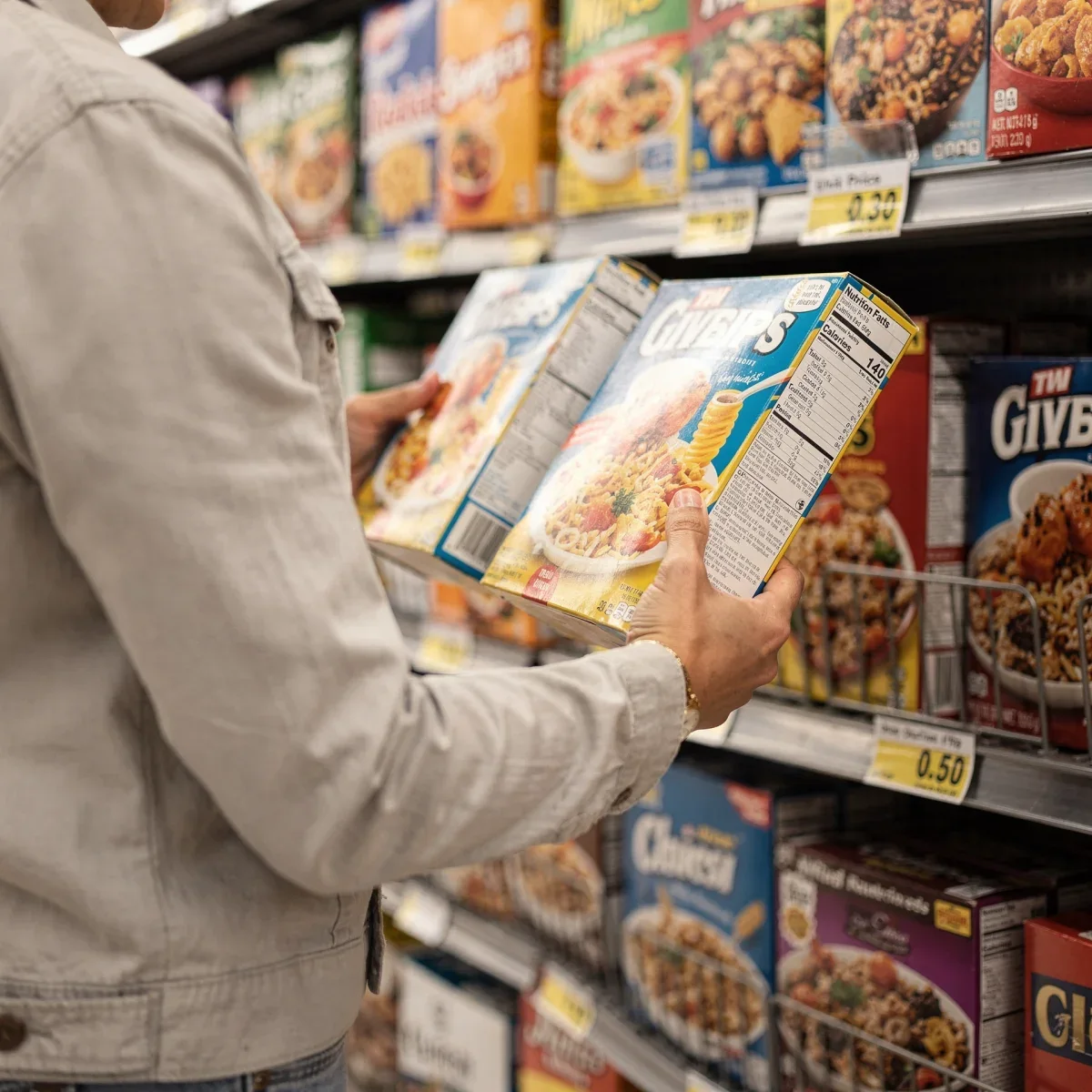
Have you ever opened a fresh bag of potato chips only to find mostly air, or noticed your favorite box of cereal feels lighter than it used to? You are not imagining things. Food manufacturers frequently reduce package sizes while keeping the retail price unchanged, quietly shrinking the value of every dollar you spend. If you want to protect your wallet and beat grocery shrinkflation, learning how to spot these subtle packaging tricks is your first line of defense.
Advertisements
What Causes Shrinkflation in Supermarkets?
Shrinkflation is a stealth tactic brands use when their production, labor, or ingredient costs rise. Instead of raising the sticker price—which shoppers immediately notice and resist—companies trim the net weight, fluid ounces, or sheet count of an item.
By keeping the price tag steady at $3.99 or $4.49, the change flies under the radar of casual shoppers. You still pay the same amount at checkout, but you receive 5% to 15% less food. Over a month of grocery runs at stores like Target, Walmart, or Kroger, those missing ounces add up to dozens of dollars in lost value.
How to Spot Sneaky Package Redesigns
Brands rarely announce that they are giving you less for your money. Instead, packaging designers use clever visual tactics to mask volume reductions. Here are the most common signs to watch for on store shelves:
- The "New Look" Makeover: Bright banners claiming a "fresh look" or "improved design" often coincide with a drop in net weight.
- Deeper Indentations: Jars of peanut butter, pasta sauce, and condiments often feature deeper bottom dimples or curved waists that reduce liquid volume while maintaining the same shelf height.
- Taller, Thinner Boxes: Cereal and cracker boxes frequently get narrower from front to back, looking identical from the front while holding several fewer ounces.
- Reduced Sheet or Piece Counts: Paper towels, toilet paper, and snack multipacks frequently drop sheet counts or individual units per package without altering the outer packaging dimensions.
Proven Ways to Beat Grocery Shrinkflation
You do not have to accept paying full price for smaller portions. A few deliberate habits during your shopping trip can restore your purchasing power.
The single most effective tool is the shelf unit price. Supermarket shelf tags display the cost per ounce, pound, or hundred count in small print in the corner. When you compare products by unit cost rather than total package price, downsizing tricks stop working.
| Product Category | Common Downsize Trap | Money-Saving Adjustment |
|---|---|---|
| Breakfast Cereal | Boxes drop from 18 oz to 14.5 oz | Buy bulk bags or store-brand equivalents |
| Paper Towels | Rolls contain 15% fewer sheets | Compare price per 100 square feet |
| Snack Chips | Bag weight drops from 9.5 oz to 8 oz | Choose family sizes or buy wholesale club packs |
| Liquid Detergent | Bottles reduce total loads per container | Check the price per single wash load |
Switching to store brands is another reliable way to save. Private labels from Aldi, Costco (Kirkland Signature), or Target (Good & Gather) often preserve traditional package sizes longer than national brand-name competitors and cost 20% to 30% less on average.
Quick Takeaways
- Always check the unit price (cost per ounce or pound) on shelf tags rather than the box sticker price.
- Be skeptical of "new look" or "eco-friendly" packaging redesigns, as they frequently signal a volume cut.
- Pivot to store brands and bulk club sizes to bypass brand-name weight reductions.
Frequently Asked Questions
Is shrinkflation legal in the United States?
Yes. As long as manufacturers accurately list the updated net weight or fluid volume on the package, reducing product sizes without changing the retail price complies with federal labeling regulations.
Which grocery items experience shrinkflation the most?
Snack foods, breakfast cereals, paper products, chocolate, ice cream, and cleaning detergents are among the most frequently downsized categories in American supermarkets.
How can I track historical package sizes?
Keep older grocery receipts with weight descriptions or check community-driven trackers and consumer forums where shoppers log product changes and updated weights over time.
Final Thoughts
Package downsizing does not have to derail your family food budget. Once you train your eye to focus on unit pricing and question flashy package redesigns, you will consistently beat grocery shrinkflation on every aisle. Check your pantry staples this week to see if your regular items have quietly changed, and explore our guide to pantry meal planning to stretch your grocery dollars even further.