
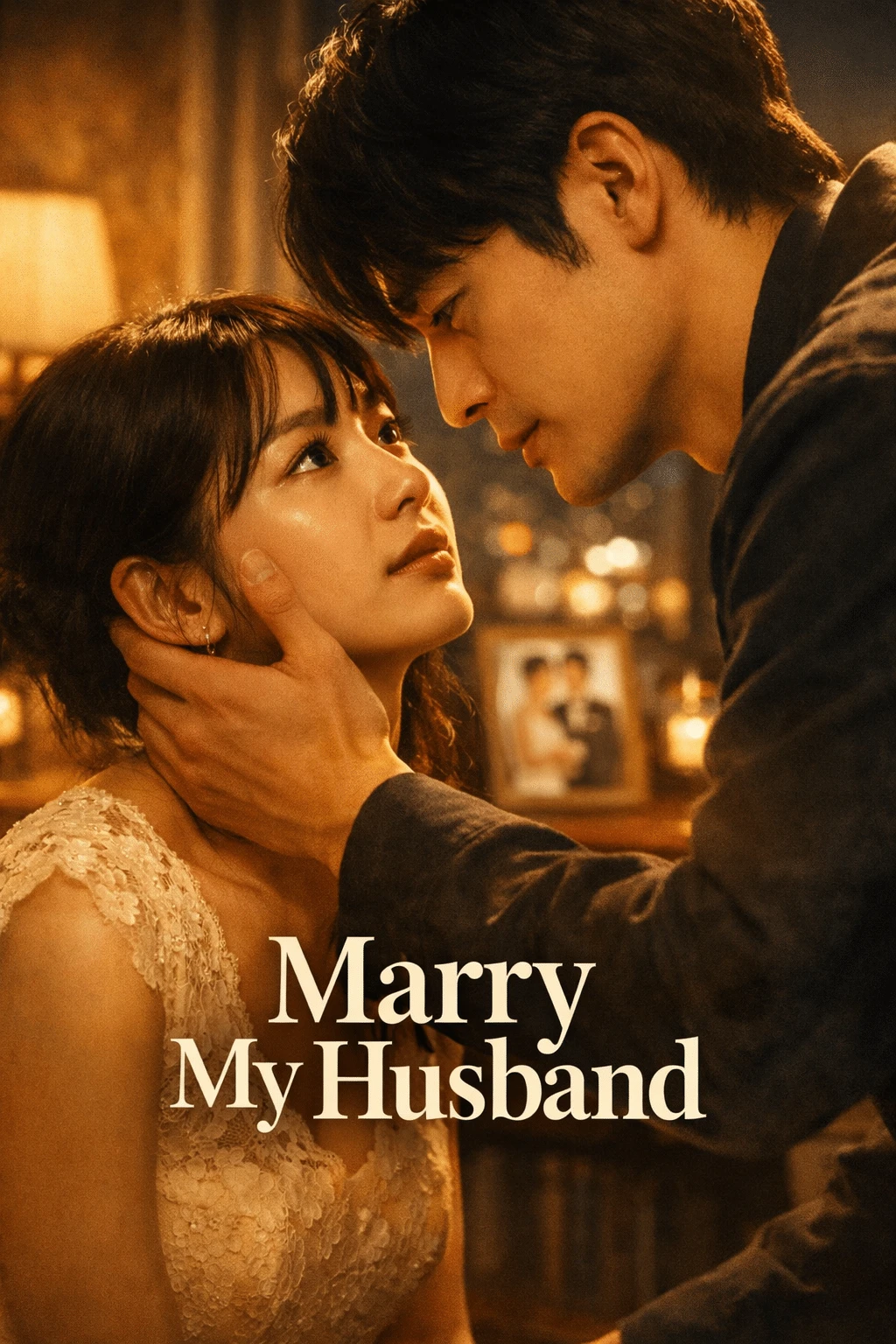
The Japanese Adaptation of ‘Marry My Husband’: A Journey of Self-Discovery
The Japanese version of “Marry My Husband” stands out as one of the most ambitious and emotionally intricate productions of 2025, delivering a culturally nuanced yet universally appealing reinterpretation of a tale centered on second chances, revenge, and personal growth. This landmark partnership between Korean powerhouses CJ ENM and Studio Dragon not only marks their inaugural Japanese production but also establishes new benchmarks for cross-cultural adaptations in today’s Asian television arena.
Advertisements
Storyline and the Significance of Second Chances
Misa Kobe’s narrative embodies one of the most profound desires of human existence: the chance to rectify fundamental errors that have shaped an entire life. Inspired by the well-loved NAVER webtoon that led the LINE Manga charts, the story examines how a woman who has perpetually played the “supporting character” in her life can become the lead through extraordinary circumstances.
After the betrayal from her husband Tomoya Hirano and her closest friend Reina Esaka leads to her demise, Misa finds herself inexplicably granted a second chance, allowing her to travel back a decade in time. This premise opens up rich narrative possibilities to delve into themes of identity, self-worth, toxic relationships, and the transformative journey of reclaiming personal agency.
The choice to position revenge as the initial spark that gradually shifts into authentic self-discovery elevates the story beyond mere wish fulfillment to a sophisticated examination of personal evolution and emotional healing.
Character Growth and Psychological Evolution
Fuka Koshiba’s portrayal of Misa Kobe presents a layered depiction of a woman balancing her inherently kind disposition with the necessity of standing up for herself against those who have exploited her kindness. Her character arc avoids the extremes of transforming Misa into a completely different individual, preserving her compassionate core while cultivating a newfound inner strength and assertiveness.
Koshiba remarked: “Even as Misa seeks revenge, her kind nature remains intact. I aimed to portray someone that Wataru would instinctively want to protect – a character grappling with revenge due to her genuine and straightforward personality.” This approach crafts a complex protagonist who retains the audience’s empathy even as she pursues potentially questionable objectives.
Takeru Satoh’s Wataru Suzuki serves as the pivotal emotional catalyst for Misa’s journey. His presence – absent from Misa’s former life – symbolizes untapped potential and alternative routes that emerged only with her second opportunity. Satoh emphasized the importance of “maintaining Wataru’s protective essence,” crafting a character who acts not just as a romantic interest but as a reflection through which Misa uncovers her self-worth.
Time Travel Mechanisms and Story Structure
The incorporation of time travel transcends a simple narrative device to become a potent metaphor for personal agency and change. The show investigates how foreknowledge of future events can serve as both an empowering and ethically challenging element, compelling Misa to face dilemmas regarding manipulation, justice, and the unforeseen ramifications of altering the past.
The storytelling skillfully intertwines fantastical elements with emotional authenticity, keeping the focus on character development while leveraging a supernatural premise to delve deeply into human themes of regret, forgiveness, and the bravery required for significant change.
Betrayal and Toxic Relationship Dynamics
The depiction of toxic relationships, both in marriage and friendship, provides a mature examination of emotional abuse patterns, manipulation, and codependency. The betrayal by Misa’s husband and best friend is not just a triggering event but represents years of gradual degradation of self-esteem and personal identity.
Yû Yokoyama as Tomoya Hirano and Sei Shiraishi as Reina Esaka face the intricate challenge of portraying antagonistic characters who remain relatable as flawed human beings rather than simplistic villains. This nuance enriches the moral complexity of the narrative.
Yokoyama humorously noted his friends’ responses to his casting: “You’re playing THAT role?!” His mindful approach to the challenge of embodying a deeply unsympathetic character reflects the cast’s dedication to psychological realism.
Cross-Cultural Direction and Global Collaboration
Ahn Gil-ho’s direction, renowned for “The Glory,” brings a distinctive viewpoint to Japanese material, creating a cultural fusion that upholds Japanese sensibilities while integrating narrative techniques that contributed to the Korean original’s global acclaim. This international collaboration offers a rare insight into how different cultures tackle universal themes.
Satomi Ōshima’s script, celebrated for works like “1 Litre of Tears” and “Sayonara, Maestro!”, adeptly merges elements from the original source with a “Japanese sensibility” that respects local cultural norms while ensuring broader appeal. This meticulous cultural adaptation steers clear of both literal translations and complete misrepresentation of the source material.
Production Quality and Technical Aspects
As the first Japanese collaboration between CJ ENM (the producer behind the Oscar-winning “Parasite”) and Studio Dragon (known for international sensations like “Crash Landing on You”), the series marks a pivotal moment in the advancement of Asian co-productions. The fusion of Korean technical expertise with Japanese creative artistry results in a production with exceptionally high technical standards.
The show benefits from an international production budget and scope, enabling visual and narrative quality that rivals premium global productions. This elevation in production values signifies a new era for Asian dramas with international aspirations.
Themes of Empowerment and Personal Agency
“Marry My Husband” acts as a narrative of empowerment that delves into how women can reclaim authority in relationships and situations where they have faced systemic marginalization. Misa’s evolution from a “supporting character” to the “protagonist of her own narrative” comments on societal norms, damaging self-sacrifice, and the significance of self-worth.
The series discusses current issues surrounding unequal relationships, societal expectations on women to be “pleasing” at the cost of their own well-being, and the often challenging journey of establishing healthy boundaries with manipulative individuals.
Global Reception and Cultural Significance
The original Korean adaptation’s worldwide success, which became “the most-watched Asian title among non-English content on Prime Video globally last year based on viewing hours within four weeks of release,” raises high expectations for the Japanese rendition.
With availability in over 240 countries and regions worldwide, the series is poised for substantial cultural influence, potentially introducing global audiences to unique Japanese perspectives on universal themes of relationships, trauma, and recovery.
Romantic Aspects and Emotional Growth
The romance between Misa and Wataru presents a compelling contrast to Misa’s earlier toxic relationships, showcasing how healthy connections can promote personal development and emotional recovery. This romantic evolution serves not only as a gratifying subplot but as a vital component of Misa’s self-discovery journey.
The series refrains from glorifying revenge fantasy in favor of a more mature investigation into how positive relationships can provide alternatives to cycles of pain and retaliation.
Contemporary Relevance and Universal Themes
Through its fantastical framework, “Marry My Husband” tackles pressing contemporary issues like toxic relationships, gaslighting, emotional abuse, and the paths of recovery and empowerment. The series instills hope that change is attainable and that individuals are not permanently confined by past mistakes or circumstances.
The examination of concepts such as second chances, personal agency, and the necessity of surrounding oneself with supportive relationships resonates with audiences as they navigate their own interpersonal and personal struggles.
Concluding Thoughts
The Japanese version of “Marry My Husband” signifies a remarkable accomplishment in cross-cultural storytelling, delivering an adaptation that respects the original material while offering a distinct cultural viewpoint. The combination of a skilled cast, adept direction, and high production quality results in a viewing experience that feels both familiar and innovative.
For fans of the original Korean series, it provides an opportunity to revisit the cherished story through a new cultural lens. For newcomers, it serves as a potent introduction to themes of empowerment, second chances, and personal transformation that transcend cultural divides.
The series exemplifies the potential for Asian content to engage global audiences when produced with quality and cultural sensitivity, establishing a benchmark for future cross-cultural collaborations within the entertainment industry.