
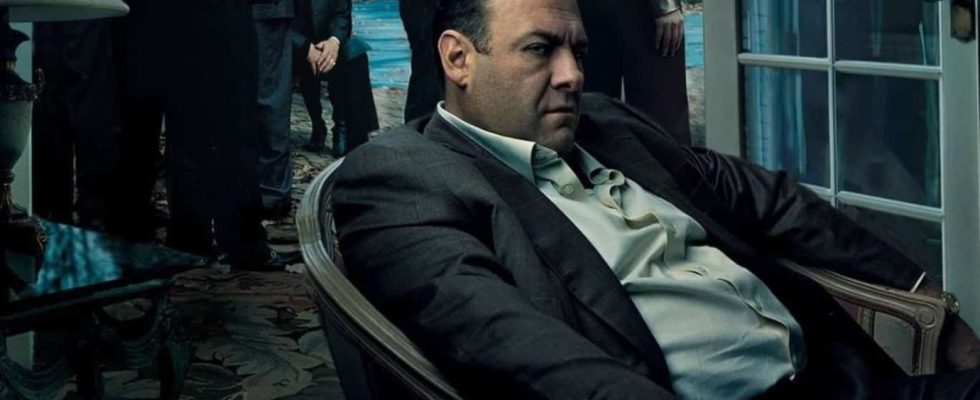
Greetings to all! Today, I am excited to delve into the groundbreaking series The Sopranos, which not only transformed the landscape of television but also set the standard for modern high-quality drama that continues to resonate today.
Advertisements
The Sopranos first graced screens on January 10, 1999, and concluded its compelling narrative on June 10, 2007, after an impressive six seasons and 86 episodes. Created by the visionary David Chase, this HBO classic intricately follows Tony Soprano, a mob boss from New Jersey, as he navigates the treacherous waters of his dual existence: balancing family responsibilities and the demands of his criminal empire. With each episode lasting approximately 50-60 minutes, the series creates an immersive cinematic experience that skillfully merges the realms of television and film.
The series takes a candid, often darkly comedic approach to the lives of a seemingly ordinary suburban family, all while revealing the complexities of a patriarch who is deeply entrenched in organized crime. The Sopranos transcends mere gangster storytelling; it explores the psychological intricacies of a man grappling with anxiety, familial strife, and the ethical dilemmas that arise from leading a double life. Its innovative character arcs and narrative techniques have left an indelible mark on the evolution of television drama.
Navigating the Chaos of Family and Crime
The Sopranos intricately portrays the DiMeo Crime Family, with Tony Soprano ascending from capo to the head of the organization. The series expertly intertwines Tony’s duties managing a variety of illicit activities—ranging from waste disposal to construction—with the everyday trials of family life in North Caldwell, New Jersey.
What sets the show apart is its unromanticized portrayal of mob life, depicting it not as a glamorous escapade but rather as a gritty job filled with its own bureaucratic issues, interpersonal conflicts, and inherent dangers. Accompanying Tony are colorful characters like Paulie Walnuts, Silvio Dante, and his ambitious nephew Christopher Moltisanti, each contributing their unique quirks and aspirations to the criminal landscape. The Sopranos artfully illustrates the coexistence of violence and normalcy within this insular community.
Tony Soprano: The Multifaceted Anti-Hero
James Gandolfini’s portrayal of Tony Soprano has set a new benchmark for complexity in television characters. Tony embodies a leading man who is both relatable and repugnant, oscillating between vulnerability and menace. His struggles with panic attacks compel him to seek therapy from Dr. Jennifer Melfi, a narrative technique that allows The Sopranos to delve into Tony’s psychological landscape through sessions that dissect his past trauma, maternal relationships, and ethical conflicts.
Chosen from a pool of over 80 candidates, Gandolfini’s performance encapsulates Tony’s intricacies. He is depicted as a devoted father capable of heinous acts, a successful entrepreneur whose ventures are inherently harmful, and a man in search of self-awareness yet resistant to transformation. Throughout The Sopranos, Tony’s character arc raises profound questions about the potential for change in light of inherent nature and circumstances.
Carmela Soprano: The Struggle of the Enabler
Edie Falco delivers a remarkable performance as Carmela Soprano, Tony’s wife, who grapples with the moral complexities of her husband’s criminal lifestyle. Aware of the origins of her affluent life, Carmela often chooses to remain willfully ignorant to preserve her family’s sense of stability. Her character serves as a lens through which the collateral damage of organized crime is examined, highlighting how corruption affects those outside the direct line of criminal activity.
Throughout The Sopranos, Carmela’s journey is marked by her conflict between her Catholic upbringing, material desires, and genuine affection for Tony, despite her acknowledgment of his darker side. Their relationship evolves into a nuanced exploration of codependency, manipulation, and the costs of complicity. Carmela’s narrative arc probes themes of self-deception, moral ambiguity, and the quest for identity beyond her husband’s shadow.
A Bold Conclusion That Redefined Television
The series culminates in a highly contentious final scene set in Holsten’s diner, where the abrupt cut to black as Tony dines with his family has sparked endless speculation regarding his fate. This conclusion transcends mere narrative ambiguity; it epitomizes The Sopranos’ dedication to psychological realism over conventional narrative closure.
The brilliance of the finale lies in its challenge to viewers, prompting them to examine their complicity with Tony’s character and the violence he embodies. After witnessing six seasons of a murderer grappling with therapy and family dynamics, the ending confronts uncomfortable truths about justice and morality. This audacious creative choice solidified The Sopranos’ legacy as a work of art rather than mere entertainment.
A Benchmark for HBO and Streaming Services
The Sopranos emerged as HBO’s flagship series, establishing the network as a premier source for sophisticated adult programming. Its success paved the way for a golden age of television, demonstrating that audiences would embrace complex, morally ambiguous characters. Available on HBO Max and various streaming platforms, The Sopranos has influenced countless subsequent series, with its format of season-long character development and psychological intricacy serving as a blueprint for prestige television. The show garnered critical accolades, numerous Emmy Awards, and cultural resonance that extends far beyond the realm of television.
The Pinnacle of Television Achievement
For fans of character-driven narratives, psychological depth, or stories that challenge ethical lines, The Sopranos stands as an essential series available for binge-watching on HBO Max. Its unflinching exploration of American masculinity, familial dysfunction, and moral compromise offers an experience that merges entertainment with profound cultural reflection.
Tags: crime drama, psychological thriller, family dysfunction, anti-hero protagonist, HBO prestige television
Why This Series Represents the Apex of Television
The Sopranos did not merely alter the television landscape; it redefined the medium’s potential. David Chase crafted a series that serves as both compelling drama and a serious artistic commentary on American society, family dynamics, and the human condition. Its psychological depth, moral intricacies, and cultural authenticity render it a must-watch for those seeking a television experience that provokes thought and demands attention. Regardless of whether one is drawn to its crime elements, familial drama, or psychological insights, The Sopranos provides an unmatched viewing experience that seamlessly combines entertainment with artistic merit.
Series Overview
Number of Episodes: 86 episodes (completed series)
Platform: HBO Max (US), Hulu (US), Prime Video (purchase/rent)
Release/End Year: 1999-2007
IMDb Rating: 9.2/10
Genre: Crime Drama, Psychological Drama
Production Type: American Television Series
Status: Completed series
Protagonists: James Gandolfini (Tony Soprano), Edie Falco (Carmela Soprano)
Main Supporting Cast: Lorraine Bracco (Dr. Jennifer Melfi), Michael Imperioli (Christopher Moltisanti), Dominic Chianese (Junior Soprano)