
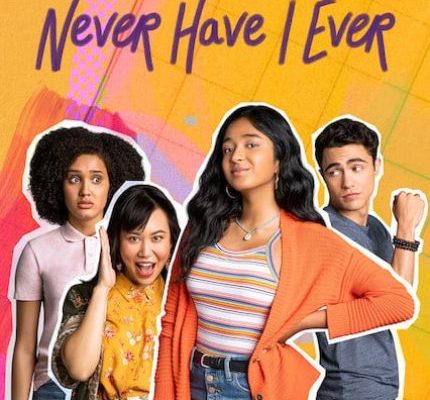
Hello, fellow fans! Are you ready to dive into the unforgettable world of Never Have I Ever? This incredible Netflix original has not only shattered barriers for South Asian representation in Hollywood but has also delivered one of the most genuine coming-of-age tales we’ve seen on screen. The storytelling is so relatable and steeped in cultural significance that it resonates deeply with audiences, making every episode a delightful adventure.
Advertisements
Launched on Netflix on April 27, 2020, Never Have I Ever consists of 40 episodes spread over four seasons, each running about 30 minutes. The series wrapped up on June 8, 2023, having beautifully chronicled Devi’s transformative journey from her sophomore to senior year of high school. Created by the brilliant Mindy Kaling and Lang Fisher, it stars Maitreyi Ramakrishnan as the vibrant Devi Vishwakumar, drawing inspiration from Kaling’s own teenage experiences as an Indian American navigating the high school landscape.
This series transcends the typical teen comedy; it stands as a landmark for representation, tackling profound themes like grief, identity, and the weight of cultural expectations with remarkable sensitivity. Never Have I Ever dismantles stereotypes surrounding South Asian families while simultaneously exploring universal themes of love, belonging, and the journey of growing up. The show expertly intertwines humor with heartfelt moments, resulting in a viewing experience that is both entertaining and deeply meaningful for everyone.
Devi’s Journey: From Heartbreak to Self-Discovery
After a year marked by tragedy, an Indian American teen, Devi, longs to elevate her social standing, but the complexities of friendship, family, and emotions stand in her way. The heart of the story follows Devi as she navigates her high school life, coping with the unexpected loss of her father while managing her tumultuous relationship with her mother. What sets this narrative apart is its brilliant ability to intertwine typical teenage dilemmas with deeper explorations of grief and family dynamics.
The brilliance of Never Have I Ever lies in its capacity to make Devi’s unique cultural experiences feel universally relatable. Each episode artfully juxtaposes her aspirations for popularity and romance against the real emotional turmoil stemming from her father’s death. The show poignantly illustrates that grief doesn’t take a break for teenage milestones, crafting storylines that are both laugh-out-loud funny and achingly poignant. It makes us chuckle at Devi’s misadventures while also inviting us to empathize with her emotional struggles.
Devi Vishwakumar: A Protagonist Like No Other
Maitreyi Ramakrishnan shines as Devi Vishwakumar, a character whose flaws and ambitions make her one of the most authentic young protagonists on television. Devi’s evolution from a grief-stricken sophomore making impulsive choices to a young woman striving to reconcile her cultural identity with her personal aspirations is a journey worth witnessing. Ramakrishnan infuses the character with an incredible blend of energy and vulnerability, ensuring that Devi’s path feels both real and transformative.
What makes Devi truly captivating is her refusal to conform to the idealized portrayal of South Asian teenagers. She makes mistakes, hurts her loved ones, and grapples with her emotions in ways that resonate with reality. Ramakrishnan’s performance captures every nuance of Devi’s growth—from her romantic blunders to her developing understanding of her family’s sacrifices, ensuring that she remains relatable even when her choices are questionable.
The Love Triangle: A Reflection of Teenage Relationships
Devi’s romantic entanglements with Paxton Hall-Yoshida and Ben Gross create a compelling love triangle that explores various facets of teenage relationships and personal growth. These connections are not merely about romance; they symbolize Devi’s journey from seeking external validation to embracing her authentic self. The chemistry among the actors fosters genuine engagement with the unfolding romance.
The show excels in portraying how teenage relationships are both formative and fleeting, with each connection teaching Devi something invaluable about herself and her priorities. The resolution of the love triangle feels earned and organic, underscoring the series’ dedication to character development over mere romantic satisfaction. These relationships beautifully illustrate Devi’s path toward self-acceptance and emotional maturity.
The Transformative Senior Year: A Turning Point for Devi
As the series progresses into its fourth season, it culminates in an emotional crescendo where Devi confronts her college choices and relationships while finally addressing her grief in constructive ways. This final season is a masterclass in emotional storytelling, showcasing how all of Devi’s growth leads to mature decisions about her future. The resolution offers a satisfying sense of closure while acknowledging that the journey of growing up is an ongoing adventure.
What makes this culmination especially impactful is its refusal to tie everything up with neat resolutions. Instead, it emphasizes Devi’s emotional evolution and her newfound ability to make thoughtful choices regarding her relationships, family, and future. The concluding episodes balance nostalgia for high school with anticipation for what lies ahead, delivering an ending that honors both the characters’ journeys and the audience’s emotional investment.
Supporting Cast: Enriching the Cultural Narrative
The series is bolstered by remarkable supporting performances from Poorna Jagannathan as Nalini Vishwakumar, Richa Moorjani as Kamala, and Ramona Young and Lee Rodriguez as Devi’s best friends, Eleanor and Fabiola. These characters are more than mere sidekicks; they embody different facets of the South Asian American experience and showcase varied approaches to identity and belonging. Each supporting character adds rich layers of authenticity to the storytelling.
The dynamics within Devi’s friend group further accentuate the series’ strength in depicting evolving teenage relationships. Eleanor and Fabiola embark on their own compelling journeys that explore their passions for theater and LGBTQ+ identity, contributing to a rich ensemble that extends far beyond Devi’s perspective. The exploration of family relationships deepens the cultural representation, illustrating how immigrant families navigate the balance between tradition and assimilation.
Cultural Significance: A Netflix Success Story
Never Have I Ever has emerged as a pivotal moment for South Asian representation in Hollywood, quickly garnering critical acclaim for challenging stereotypes surrounding Asian identities. Spanning four seasons until June 2023, the series has captured Netflix’s attention for its cultural relevance and passionate viewership. Maitreyi Ramakrishnan’s performance has been widely praised, with Variety referring to it as a “breakout performance” that has earned her nominations for several prestigious awards, including Independent Spirit and MTV Movie & TV Awards.
The success of this series illustrates Netflix’s commitment to diverse storytelling that resonates across cultures. Never Have I Ever demonstrates that specific cultural narratives can possess universal appeal when told with authenticity and humor, creating engaging viewing experiences that entertain while illuminating the richness of South Asian American life.
Why You Absolutely Must Watch Never Have I Ever
If you adore coming-of-age tales, genuine cultural representation, and characters that evolve in realistic ways, Never Have I Ever is your next binge-worthy series on Netflix. This show isn’t just about entertainment; it breaks down barriers, paving the way for narratives that deserve to be heard, making it essential viewing for anyone looking to grasp the contemporary teenage experience.
A Landmark in Teen Television
Never Have I Ever triumphs by treating its young protagonist with the depth she deserves while never underestimating its audience. It is the series that illustrated that teen narratives about grief, identity, and cultural belonging can enchant viewers worldwide, making it a significant achievement in both representation and storytelling excellence.
Series Overview
Number of Episodes: 40 (4 seasons)
Platform: Netflix
Release/End Year: 2020-2023
IMDb Rating: 7.8
Genre: Coming-of-Age Comedy, Drama
Status: Completed
Main Characters: Maitreyi Ramakrishnan (Devi Vishwakumar), Poorna Jagannathan (Nalini Vishwakumar), Darren Barnet (Paxton Hall-Yoshida), Jaren Lewison (Ben Gross)
Antagonist: Grief, cultural expectations, and the challenges of teenage identity formation