
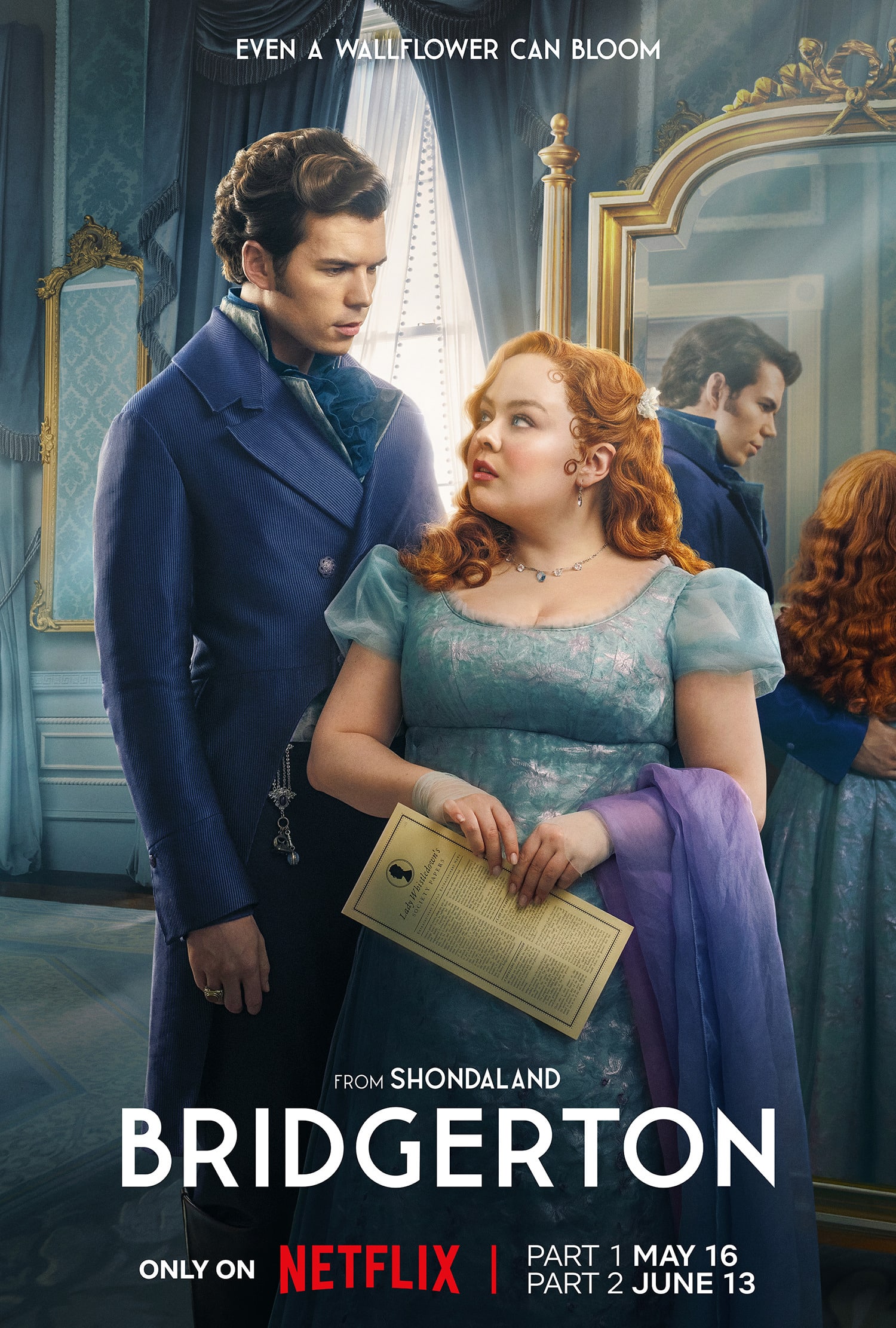
Hello, everyone! How’s everything going? Today, I’m excited to share my thoughts on the captivating drama Bridgerton, which has captured global attention with its enchanting mix of Regency-era romance, scandal, and contemporary themes that rejuvenate the period drama genre.
Advertisements
Bridgerton made its debut on Netflix on December 25, 2020, quickly becoming a worldwide sensation. The series includes three available seasons, with episodes lasting around 50-60 minutes each. Adapted from Julia Quinn’s popular book series, the show is produced by Shonda Rhimes and features a diverse cast, including Nicola Coughlan, Jonathan Bailey, and Simone Ashley, who bring inclusivity to the traditionally homogenous realm of period dramas.
This romantic drama transforms the period piece landscape by blending classic narratives with modern themes of love, desire, and social justice. Set against the backdrop of London’s elite during the Regency era, the series traces the romantic escapades of the eight Bridgerton siblings as they navigate the complexities of marriage, scandal, and the quest for love within a society bound by rigid social conventions.
Featuring opulent costumes, passionate romantic encounters, and contemporary interpretations of popular music, Bridgerton provides viewers with an exhilarating escape that feels both historically authentic and refreshingly modern.
The Romantic Journeys of the Bridgerton Siblings
The series revolves around the romantic endeavors of the Bridgerton family, particularly highlighting each sibling’s quest for love in London’s competitive marriage scene. Season 1 chronicles Daphne Bridgerton’s staged courtship with the Duke of Hastings, Season 2 examines Anthony Bridgerton’s fervent romance with Kate Sharma, and Season 3 explores Colin Bridgerton’s connection with Penelope Featherington.
Every season expertly intertwines individual love stories with the overarching dynamics of Regency society, tackling themes of class, race, and gender while still maintaining the enchanting allure that makes the series so binge-worthy. The enigmatic Lady Whistledown’s scandalous writings serve as both narrator and plot device, seamlessly connecting various narratives while keeping audiences guessing about the identity of the elusive gossip columnist.
The Bridgerton Clan: A Legacy of Love
The eight Bridgerton siblings each bring their distinct personalities and romantic predicaments to the story. From Anthony’s conflict between obligation and passion to Eloise’s defiance of conventional marriage norms, each character embodies different facets of navigating love and society during the Regency era.
The family dynamics are artfully depicted, showcasing how the Bridgertons support one another through romantic victories and setbacks. Their mother, Violet Bridgerton, acts as both a source of wisdom and a reminder of past generations’ views on love and marriage, creating intergenerational tensions that enrich the family relationships.
Penelope Featherington: Season 3’s Emotional Core
In Season 3, Nicola Coughlan’s interpretation of Penelope Featherington reaches its zenith as the character evolves from an introverted observer to a self-assured woman ready to pursue her love. Her bond with Colin Bridgerton serves as the emotional heart of this latest season, illustrating how friendship can blossom into a deep romantic connection.
Coughlan imbues Penelope with both vulnerability and resilience, making her transformation feel genuine and well-deserved. The unmasking of her identity as Lady Whistledown adds layers of depth to her interactions and generates compelling dramatic tension that propels much of the season’s conflict.
The Polin Love Story: From Friends to Lovers
Season 3 fulfills the long-awaited romance between Penelope and Colin Bridgerton, crafting one of the series’ most gratifying love stories. Their journey from friends to lovers is skillfully portrayed, demonstrating how profound friendship can lay the groundwork for enduring love.
The chemistry between Coughlan and Luke Newton produces romantic moments that are both tender and intense, perfectly encapsulating what makes Bridgerton’s romances so captivating. Their relationship challenges conventional ideas about attraction and compatibility, proving that some of the most compelling love stories emerge from the most unexpected beginnings.
A Netflix Sensation
Bridgerton has emerged as Netflix’s most-viewed series ever, captivating millions of viewers worldwide with its distinctive fusion of period drama and modern elements. The show’s triumph stems from its ability to render historical romance both relevant and exhilarating to modern audiences, employing diverse casting and contemporary music to create a world that feels both familiar and fantastical. Each season’s premiere becomes a global spectacle, with fans eagerly engaging in discussions about costumes, romances, and plot twists across social media. The series has been renewed for a fourth season, assuring that fans can continue to follow the romantic escapades of the Bridgerton family for years to come.
If you’re a fan of period dramas, passionate romances, and stories that intertwine historical settings with modern storytelling, Bridgerton is an ideal series to binge on Netflix.
Summary: Bridgerton illustrates that period dramas can be both historically inspired and thoroughly modern, offering a viewing experience that is as captivating as it is striking.
Series Overview:
- Number of Episodes: 24 episodes across 3 seasons (8 episodes per season)
- Platform: Netflix
- Rating: 7.4/10
- Genre: Period Drama, Romance, Historical Drama
- Main Characters: Nicola Coughlan (Penelope Featherington), Jonathan Bailey (Anthony Bridgerton), Simone Ashley (Kate Sharma)
- Antagonist: Various social pressures and family conflicts (no single main antagonist)