
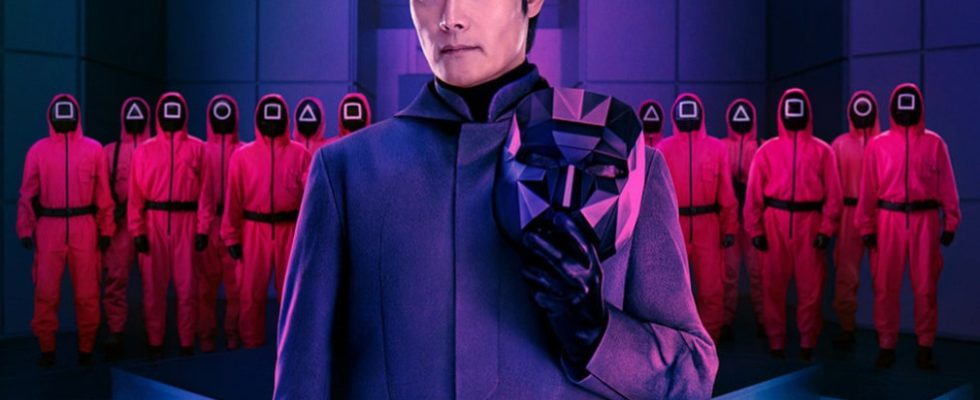
Hello, fellow couch potatoes! Buckle up because we’re diving headfirst into the twisted world of Squid Game, a series that’s like a piñata filled with existential dread, just waiting to explode all over your screen.
Advertisements
This Netflix sensation premiered on September 17, 2021, and quickly took the globe by storm, featuring nine gripping episodes that each run about an hour. Created by the brilliant Hwang Dong-hyuk, the series showcases a star-studded cast including Lee Jung-jae, Park Hae-soo, and the enigmatic O Yeong-su, proving that South Korean storytelling isn’t just a trend — it’s a revolution.
Set against the backdrop of a dystopian South Korea, it follows 456 desperate souls who answer an eerie invitation to compete in innocent childhood games for a mountain of cash. But what starts off as playful competition morphs into a nail-biting, deadly affair where every giggle echoes with impending doom. This series brilliantly juxtaposes the innocence of childhood with the raw brutality of human nature, creating a viewing experience that lingers like a bad hangover.
The brilliance of the show lies in its ability to twist nostalgic games into instruments of terror, while throwing sharp social commentary into the mix about economic disparity and humanity’s will to survive. Each episode intensifies the tension, crafting a psychological thriller that delves deep into the fabric of human nature itself.
Where It All Begins
It all kicks off with Seong Gi-hun, a down-on-his-luck father drowning in gambling debts, who stumbles upon a mysterious businessman inviting him to join a series of perilous games. Alongside 455 other financially strapped contestants, Gi-hun winds up in a grim facility where childhood games like “Red Light, Green Light” become harbingers of doom.
With masked guards lurking around and the shadowy Front Man pulling the strings, a suffocating atmosphere of fear and paranoia ensues. As players face brutal eliminations, alliances crumble and form like houses of cards, unveiling the depths of desperation and the moral dilemmas faced when survival hangs by a thread. The series masterfully illustrates how extreme situations can reveal the very best and worst of humanity.
The Evolution of Seong Gi-hun
Lee Jung-jae’s portrayal of Seong Gi-hun (Player 456) is nothing short of a tour de force, morphing from a naive, well-meaning gambler into a hardened survivor. His internal battles are a poignant reflection of a man grappling with harrowing choices while desperately trying to cling to his humanity. Gi-hun’s character arc is both heartbreaking and riveting, as we witness his moral compass spin wildly in uncharted territory.
What makes Gi-hun’s journey particularly compelling is his everyman status in a world gone mad. His interactions with other players, notably with childhood friend Cho Sang-woo and the elderly Player 001, serve to highlight different sides of his psyche and force him to confront the uncomfortable realities of loyalty and survival.
The True Face of Evil: The Front Man and the System
Sure, there are plenty of antagonists in this story, but the real enemy is the insidious system itself, embodied by the chilling Front Man (Lee Byung-hun). The masked enforcers create a suffocating sense of surveillance, manipulating hope and despair like a puppeteer with his marionettes. The revelation of the Front Man’s backstory adds a rich layer of complexity, illustrating how the system can corrupt even those who originally aimed to dismantle it.
The true horror lies not just in the lethal games but in the psychological manipulation that strips away the players’ dignity. This series incisively explores the dark underbelly of institutional power and how desperation can lead individuals to forsake their moral values.
The Heart-stopping Finale
The series crescendos in a gut-wrenching showdown between Gi-hun and Sang-woo, leading to a final game that compels viewers to reckon with the real cost of survival and what victory truly means. The marble game episode is a standout, building tension to a fever pitch as friendships are tested and shattered in heart-wrenching ways.
The conclusion offers not merely closure but delves deep into the psychological scars left by survival. Gi-hun’s triumph comes at an excruciating price, sparking profound questions about whether winning was worth the sacrifices made, making it a haunting reflection on the essence of success.
A Cultural Juggernaut
Squid Game has exploded into a global sensation, shattering Netflix records and claiming the title of the platform’s most-watched series. The show’s success transcended cultural barriers, igniting discussions worldwide about inequality, capitalism, and social justice. With its innovative storytelling and candid exploration of human nature, Squid Game has demonstrably proven that Korean content can not only captivate but also maintain cultural authenticity while making waves on the international scene.
For fans of psychological thrillers that push you to question everything, Squid Game is an absolute must-binge. This isn’t just a series; it’s a cultural phenomenon demanding your attention and discussion.
It’s an expertly crafted blend of nostalgia and horror, illuminating the darkest corners of human desperation while delivering one of the most riveting television experiences of this decade.
Quick Facts:
Episodes: 9 (Season 1), with Seasons 2 and 3 confirmed
Available on: Netflix
Rating: 8.0/10 (IMDb)
Genres: Survival Thriller, Psychological Drama, Social Commentary
Main Cast: Lee Jung-jae as Seong Gi-hun, Park Hae-soo as Cho Sang-woo, O Yeong-su as Player 001
Antagonist: The Front Man (Lee Byung-hun) and the systemic oppression behind the games